
BYTECURVE RESOURCES
The Driving Forward Act: What the 2026 CDL Reform Push Means for School Bus Driver Shortages


Trusted by the Finest Names in School Bus Transportation
Student Transit Wisconsin

Fremont California School District
Renton Public Schools Washington
It’s 5:32 AM. The transportation director’s phone is already ringing, another driver just called in sick, and the morning routes are already unraveling before the first bus leaves the lot.
Federal legislation is finally targeting the CDL barriers that have kept school bus driver seats empty since 2020.
The Driving Forward Act is a major step forward, directly addressing one of the toughest obstacles keeping qualified candidates out of the driver’s seat. But legislation alone will not solve the daily operational chaos that comes with running routes short-staffed.
Here is what transportation directors need to know heading into the 2026-2027 school year.
Integrated Student Transportation Software
The Driver Shortage by the Numbers
The U.S. school bus driver workforce dropped from 232,000 to approximately 202,000 since 2020, a loss of 30,000 drivers that districts have never fully recovered.
The downstream effects show up in every transportation office in America. A 2025 national survey found that 83% of districts divert non-transportation staff to drive buses at least a few times per year. 54% do so weekly. Teachers leave classrooms. Coaches skip practice. Office staff miss their actual jobs to cover open routes.
Meanwhile, 90% of districts report growing ridership with a shrinking workforce. More students. Fewer drivers. The math does not work.
This spring, the problem made headlines again. Huntsville City Schools in Alabama is trying to hire 12 drivers before the fall. Bedford County, Virginia, reported that unfilled routes are forcing parents to miss work and students to miss school. In China Spring, Texas, teachers and coaches are driving buses because there is no one else.
What the Driving Forward Act Actually Does
The Driving Forward Act, which gained co-sponsor Sen. Steve Daines in March 2026 after the National School Transportation Association lobbied Congress, targets one of the most frequently cited barriers to entry: the CDL testing process itself.
The 12-week CDL training and licensing process has been called a significant barrier by industry leaders, including the Pennsylvania School Bus Association. Prospective drivers who are willing to work face weeks of training, multiple tests, and scheduling bottlenecks at testing facilities, all before earning a single paycheck.
The bill seeks to ease specific commercial driver’s license testing requirements that discourage applicants without lowering safety standards. It streamlines the path from interested applicant to licensed driver, which matters when districts are competing with Amazon, UPS, and every other employer offering CDL-required work with better hours and higher pay.
The legislation is a step in the right direction. But even if it passes tomorrow, the pipeline from new applicant to route-ready driver takes months. Districts need solutions for next semester, not next year.
Illinois Got It Right, Here’s What Other States Can Learn
While most states are still struggling, Illinois has actually stabilized its school bus driver market.
The approach was straightforward. Illinois school districts and transportation providers partnered directly with the secretary of State’s office to reduce friction in the hiring and licensing process. They targeted new demographics of drivers, not just retirees, and made the path from application to behind-the-wheel faster.
The result: Illinois transportation providers report that for now, the market has stabilized and there is no longer a shortage of bus drivers in the state.
Other states are experimenting, too. In Minnesota, St. Cloud State University students are driving for Spanier Bus Service, which offers free CDL training, including general knowledge, air brakes, school bus endorsements, and passenger safety certifications.
The pattern across every success story is the same: reduce barriers to entry, expand the candidate pool, and make the job more accessible. The Driving Forward Act attempts to do this at the federal level. Illinois did it at the state level. Both are needed.
Technology as the Force Multiplier for a Smaller Workforce
Legislation and recruitment fix the supply side. But transportation directors also need to make their current teams more productive. When you are running 200 routes with 180 drivers, every minute of operational friction costs you.
This is where school bus driver management software changes the equation. Instead of managing bus driver shortages with whiteboards, paper route books, and group texts, districts can put the right tools in drivers’ hands from day one.
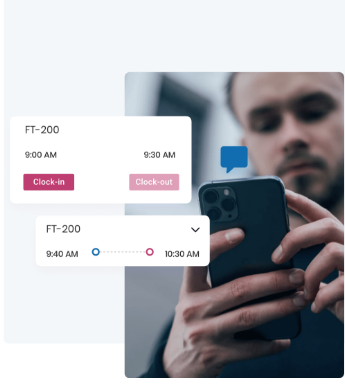
Bytecurve’s DriveOn mobile app is used by over 40,000 drivers daily across 20+ states. New drivers get routes delivered to their phones, clock in with GPS verification, and receive real-time updates when assignments change. There is no two-week learning curve for the paper system because there is no paper system.
At Russellville School District in Arkansas, DriveOn achieved 95% driver adoption. “All those 10 minutes here and 15 minutes there really do add up. It’s wonderful peace of mind,” said Christopher King, Transportation Coordinator. When a new driver joins the team, they open the app, and they are operational. No whiteboard orientation. No binder of route sheets.
At Renton School District 403 in Washington, the shift from spreadsheets to a centralized scheduling and dispatch dashboard meant that dispatchers could reassign routes in minutes when a driver called in sick, instead of the frantic hour it used to take.
The driver shortage is not going away in 2026. But the districts that combine policy solutions with operational technology are the ones keeping every route covered.


Russellville saves $15,000 per month in payroll
– Christopher King, Transportation Director, Russellville School District


Rome Public Schools reduced payroll by $30,000 per month with Bytecurve
— Elander Graham, Rome Transportation Director
Frequently Asked Questions
What is causing the school bus driver shortage in 2026?
The shortage began in 2020 when a significant portion of the bus driver workforce, largely retirees, left during the pandemic. The U.S. lost approximately 30,000 school bus drivers and has not recovered. Contributing factors include the lengthy 12-week CDL training process, competition from higher-paying CDL employers, and a candidate pool that has not expanded to replace the retirees who left.
What does the Driving Forward Act do for school bus drivers?
The Driving Forward Act eases specific CDL testing requirements that have been identified as barriers to entry for prospective school bus drivers. It does not lower safety standards. The bill aims to streamline the licensing process so that willing candidates can get behind the wheel faster, addressing the bottleneck that keeps districts short-staffed even when applicants are available.
How can technology help districts manage with fewer drivers?
Driver communications platforms like Bytecurve’s DriveOn app reduce the operational overhead of managing a smaller team. New drivers receive routes on their phones instead of paper binders, GPS-verified clock-in eliminates timesheet disputes, and centralized scheduling lets dispatchers reassign routes in minutes when someone calls in sick. Districts using these tools report 95%+ driver adoption rates and significantly faster onboarding for new hires.

Secure
Only authorized employees will be able to access DriveOn based on a customer specific access code. This code can be turned off as needed by an authorized administrator.

User friendly
DriveOn is easy to use with a simple, smart interface.
Available on both iOS and Google Play stores.