
BYTECURVE RESOURCES
Field Trip Scheduling Software: A Complete Guide for School Transportation Directors


Trusted by the Finest Names in School Bus Transportation

Student Transit Wisconsin

Fremont California School District

Renton Public Schools Washington
School districts lose an average of $180,000 each year because of inefficient field trip planning and last-minute scheduling changes, according to a National Association for Pupil Transportation study. For transportation directors managing regular routes along with dozens of field trip requests every month, school field trip management software can help streamline the process. This isn’t just a budget issue; it’s a daily coordination challenge that affects student experiences, driver satisfaction, and efficiency. When a single field trip requires 15+ phone calls, multiple spreadsheet updates, and manual driver assignments, it is clear that something needs to change.
Field trip scheduling is one of the most complex parts of school transportation. Unlike predictable daily routes, field trips involve unique destinations, varying departure times, special vehicle requirements, and intricate coordination between teachers, drivers, and administrative staff. Modern field trip scheduling software turns this chaotic process into a streamlined system, giving transportation coordinators real-time visibility and control over every trip request from submission to completion.
We’ll explore how school field trip management software works, the significant benefits it offers transportation departments, and practical strategies for implementing these solutions in your district. Whether you’re managing 10 field trips per month or 100, you’ll see how the right technology can save time, reduce costs, and improve the experience for everyone involved.

Integrated Student Transportation Software
Understanding Field Trip Scheduling Software
Field trip scheduling software is a specialized digital platform designed to manage the entire lifecycle of school field trip transportation, from initial teacher requests to final trip completion and billing. Unlike generic scheduling tools or paper-based systems, these solutions are purpose-built for the unique demands of school transportation operations, integrating with existing routing software, GPS systems, and payroll platforms to create a seamless workflow.
At its core, field trip scheduling software replaces the traditional phone calls, email chains, and spreadsheet chaos that plague most transportation departments. Teachers submit trip requests through an intuitive online portal, providing all necessary details such as the destination, date, time, number of students, and any special requirements. Transportation coordinators receive these requests instantly, can check vehicle and driver availability in real-time, and assign resources with just a few clicks.
The importance of dedicated field trip scheduling technology has grown dramatically in recent years. School districts now manage more field trips than ever before. Educational outings are essential for hands-on learning experiences that enhance classroom instruction. However, transportation departments face chronic driver shortages, tighter budgets, and increased accountability requirements. Manual scheduling processes that worked a decade ago simply can’t keep pace with today’s operational demands.
Modern field trip scheduling systems integrate directly with school bus routing software and GPS fleet tracking, creating what industry leaders call a “360-degree view of operations.” This integration means coordinators can instantly see which vehicles are available, which drivers have the proper certifications for specific trips, and how field trips impact regular route schedules. Real-time visibility eliminates the guesswork and reduces scheduling conflicts that cost districts thousands in overtime and last-minute vehicle rentals.
Current trends in school transportation point toward increasing complexity. Districts face growing pressure to track every aspect of field trip operations, not just for efficiency, but for liability protection and budget transparency. Parents expect the same level of communication and tracking for field trips as they receive for daily routes. Meanwhile, FMCSA regulations require meticulous documentation of driver hours, vehicle inspections, and route planning. Field trip planning software addresses all these challenges by centralizing information, automating compliance tracking, and providing the operational transparency that today’s school transportation demands.
“The calls, complaints, and headaches that were typical with the previous system have been essentially eliminated.”
How Field Trip Scheduling Software Improves School Bus Operations
Eliminates Communication Chaos and Reduces Administrative Time
Transportation coordinators waste about 10-15 hours per week managing field trip requests through phone calls, emails, and paper forms. School transportation scheduling software eliminates this administrative burden by centralizing all requests in one digital platform. Teachers submit trip details through an online portal, coordinators receive instant notifications, and all communication happens within the system. No more lost request forms or missed voicemails about trip changes.
“It feels like every time we have an issue, they’re on it for a few minutes, and we’re in a better place,” reports one transportation staff member using modern scheduling platforms.
This efficiency translates directly to cost savings. Districts typically reclaim 40-60% of the time previously spent on field trip coordination, allowing staff to focus on safety, driver training, and operational improvements rather than administrative tasks.
Improves Driver Assignment Accuracy and Reduces Overtime Costs
Manual driver assignment for field trips leads to costly mistakes: assigning drivers without proper certifications, creating accidental overtime, or scheduling drivers who are already committed to other trips. Advanced school bus dispatch systems integrated with field trip scheduling automatically flag these conflicts before assignments are finalized. The software checks driver certifications, hours-of-service compliance, and current commitments in real-time.
Transportation directors using these integrated systems report 30-40% reductions in unplanned overtime costs. The software prevents the common scenario where a dispatcher inadvertently assigns a driver to both a morning field trip and their regular afternoon route, creating an expensive overtime situation. Instead, the system highlights availability conflicts and suggests alternative drivers who meet all requirements for the trip.
Enhances Budget Transparency and Cost Recovery
Most school districts struggle to track the true cost of field trip transportation. Without accurate data on vehicle usage, driver hours, and fuel consumption, transportation departments often undercharge for field trips or absorb expenses that should be taken from activity budgets or parent fundraising. Field trip scheduling software with integrated time tracking capabilities solves this problem by automatically calculating trip costs based on actual time, mileage, and resource usage.
According to district finance audits, transportation departments using automated field trip tracking recover an additional $35,000-$50,000 annually by accurately billing for services provided. The software captures every minute of driver time, tracks exact mileage through GPS integration, and generates detailed invoicing that withstands audit scrutiny. This financial visibility helps justify transportation budgets and ensures departments aren’t subsidizing field trips from already-stretched operational funds.
Streamlines Vehicle Assignment and Maintenance Coordination
Field trip requests often come with specific vehicle requirements: wheelchair accessibility, specific passenger capacity, or air conditioning for long trips. Manually matching these requirements with available vehicles while considering maintenance schedules and inspection due dates creates another layer of complexity. Modern scheduling platforms maintain complete vehicle profiles, including capacity, accessibility features, and maintenance calendars.
When a teacher requests a wheelchair-accessible bus for 45 students, the system instantly identifies which vehicles meet both requirements and are available on the requested date. This automation prevents the embarrassing and costly situation where a school confirms a field trip only to discover their accessible buses are already committed or due for maintenance. Districts report 95%+ improvement in first-time-right vehicle assignments after implementing dedicated scheduling software.
Improves Parent Communication and Student Safety
Parents expect the same level of communication and tracking for field trips as they receive for daily routes. A field trip scheduling system integrated with driver communication apps enables real-time updates about departure times, delays, and estimated return times. Transportation directors can send automated notifications to parents when buses depart and when they’re approaching the school on return trips.
This real-time communication dramatically reduces the anxious phone calls to school offices and transportation departments.
“We know we can’t go without Zonar and Versatrans for our routing, and now Bytecurve has become our one-stop shop for all things operations,” notes Marty Klukas, General Manager at Student Transit.
The integration between routing, GPS tracking, and scheduling creates a comprehensive safety net that gives parents confidence and transportation staff complete operational visibility.
Ensures Regulatory Compliance and Documentation
FMCSA regulations require detailed documentation of driver hours, route planning, and vehicle inspections, which are requirements that apply equally to field trips and regular routes. Paper-based field trip scheduling makes compliance documentation nearly impossible to maintain accurately. Digital scheduling platforms automatically log all trip details, driver assignments, actual departure and return times, and any incidents or delays.
This automated documentation proves invaluable during audits or in liability situations. Districts can instantly produce reports showing exactly which driver was assigned to a specific trip, their hours-of-service status at the time, when the vehicle was last inspected, and complete trip timeline documentation. Transportation directors report 70-80% time savings on audit preparation after implementing automated field trip scheduling with integrated compliance tracking.
“We can get a request today and be ready to dispatch a bus tomorrow and not have it disrupt us. busHive makes it easy to route it across all the approvals and get the driver assigned in no time.”
Implementing Field Trip Scheduling Software in Your Transportation Department
Getting Started: Assessing Your Current Process
Before selecting field trip scheduling software, document your current process from end to end. Track how long each step takes: teacher request submission, coordinator review, driver assignment, vehicle selection, approval workflow, and final confirmation. Interview everyone involved, such as teachers, transportation coordinators, dispatchers, and drivers, to understand pain points and bottlenecks.
Calculate your baseline metrics: average time to process a field trip request, number of scheduling conflicts per month, overtime hours attributed to field trip assignments, and administrative hours spent on coordination. These measurements become your success metrics after implementation. Most districts discover they’re spending 15-20 hours per week on field trip coordination when they complete this assessment, which is time that could be dramatically reduced with the right technology.
Transportation directors should also inventory existing technology infrastructure. Understanding current routing software, GPS systems, and payroll platforms is essential because modern school transportation management solutions work best when they integrate with these existing tools rather than replacing them. Districts using Versatrans or Routefinder for routing, for example, should prioritize scheduling solutions that offer native integration with these platforms.
Selecting the Right Solution: Integration and Features
The most critical factor in choosing school transportation scheduling software is integration capability. Standalone scheduling tools that don’t connect with your routing software, GPS tracking, and payroll systems create new data silos rather than solving coordination problems. Look for platforms that offer real-time data synchronization with your existing transportation technology stack.
Essential features to prioritize include:
- Teacher self-service request portal with mobile access for convenient submission
- Automated conflict detection that flags vehicle and driver availability issues
- Real-time visibility dashboard showing all scheduled trips and resource allocation
- Driver communication integration for instant schedule updates and trip modifications
- GPS fleet integration for accurate time tracking and trip documentation
- Automated compliance tracking for hours-of-service and certification management
- Financial reporting for accurate cost calculation and budget recovery
Districts should also evaluate vendor support quality and implementation assistance.
“Bytecurve listened to every word we had to say. They’re just really, really good partners,” notes Tim Purvis from Poway Unified School District.
The right vendor provides hands-on implementation support, staff training, and responsive technical assistance rather than just selling software and disappearing.
Best Practices for Successful Implementation
Start with a pilot program involving 2-3 schools rather than a district-wide rollout. This approach allows transportation coordinators and teachers to learn the system, identify workflow adjustments, and build confidence before expanding. Choose pilot schools with high field trip volumes and engaged teachers willing to provide honest feedback about the user experience.
Provide comprehensive training tailored to each user group. Teachers need simple training on request submission and what information to provide. Transportation coordinators require deeper training on vehicle assignment, driver scheduling, conflict resolution, and reporting features. Drivers need instruction on receiving trip assignments through mobile apps and documenting trip completion.
Communication is essential for adoption success. Explain clearly why the district is implementing new scheduling software, emphasizing benefits for everyone: teachers get faster approvals, coordinators spend less time on phone calls, and drivers receive clearer trip information with fewer last-minute changes. Create simple, quick-reference guides and video tutorials that users can access when they need help.
Establish clear policies and deadlines for field trip requests. Even the best scheduling software can’t overcome last-minute trip requests submitted 48 hours before departure. Set reasonable submission deadlines (typically 2-4 weeks in advance) and communicate that emergency requests may be declined if resources aren’t available. The software makes enforcing these policies easier by providing visibility into request timelines and resource availability.
Common Challenges and Practical Solutions
Resistance to change represents the most common implementation challenge. Teachers accustomed to calling or emailing trip requests may initially resist learning a new system. Transportation coordinators worried about technology complexity may prefer familiar spreadsheets despite their limitations. Address this resistance through early wins—demonstrate how the software solves specific pain points like scheduling conflicts or lost request forms.
Technical integration issues can arise when connecting new scheduling software with existing routing and GPS platforms. Work closely with your software vendor and existing technology providers to troubleshoot integration problems quickly. Most districts experience some data synchronization issues in the first 2-4 weeks of implementation, but these typically resolve with vendor support.
“We just go in and switch the task and reschedule that day, and everything communicates like it’s supposed to, and we’re off to the next problem to solve,” reports one district using integrated transportation management platforms.
Data quality problems often emerge during implementation. If vehicle capacity information, driver certifications, or school calendars aren’t accurate in your existing systems, scheduling software will perpetuate these errors. Use implementation as an opportunity to clean up your data. This means verifying vehicle specifications, updating driver certification records, and ensuring school calendars are current. This data hygiene investment pays dividends in scheduling accuracy and system reliability.
Workflow adjustments may be necessary as you discover how your processes need to adapt to the software rather than forcing the software to match dysfunctional existing workflows. Be willing to modify approval processes, communication patterns, and responsibility assignments based on what works best with your new system capabilities. Modern platforms like Bytecurve360 provide flexible workflows that adapt to district needs while promoting operational best practices.
Budget concerns sometimes arise when calculating the total cost of ownership. While a field trip scheduling system requires investment, calculate ROI based on recovered administrative time, reduced overtime costs, improved cost recovery, and eliminated manual processes.
“In just that one example, Bytecurve paid for itself about three times over,” notes Tim Purvis about implementing comprehensive transportation management technology.
Most districts achieve positive ROI within 6-12 months through eliminated overtime, recovered costs, and administrative efficiency gains.

Moving Forward with Field Trip Scheduling Software
Key Takeaways:
- Field trip scheduling software eliminates 10-15 hours per week of administrative coordination time, allowing transportation staff to focus on safety and operational improvements rather than phone calls and spreadsheet management.
- Integrated scheduling platforms that connect with routing software, GPS tracking, and payroll systems provide command and control visibility that prevents costly scheduling conflicts, reduces overtime by 30-40%, and improves compliance documentation.
- Successful implementation requires careful planning, comprehensive training for all user groups, and a willingness to adapt workflows to leverage new system capabilities fully.
- Districts typically achieve positive ROI within 6-12 months through recovered costs, eliminated overtime, improved resource utilization, and dramatic administrative time savings.
Modern transportation departments need comprehensive platforms that connect field trip scheduling with daily dispatch operations, driver communication, and real-time fleet monitoring. Disconnected systems create data gaps that lead to scheduling conflicts, communication breakdowns, and operational inefficiencies that cost districts thousands annually.
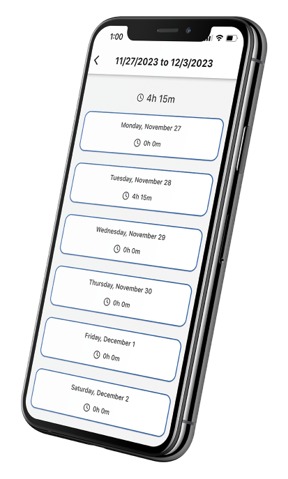
Bytecurve360 provides the integrated approach transportation directors need—connecting your routing software, GPS tracking, and payroll systems into one comprehensive platform with powerful field trip scheduling capabilities. Transportation departments across North America are transforming their operations with real-time visibility, automated compliance tracking, and streamlined communication through the DriveOn mobile app that keeps drivers informed about schedule changes and trip assignments.
“ByteCurve360 helps us better understand what right looks like. You don’t know what you need to be better, stronger, faster until you see it and experience it,” explains Marty Klukas from Student Transit.
“It’s real peace of mind to know support like that is always so close and ready,” reports another transportation professional using comprehensive scheduling and dispatch technology.
Book a demo to see how transportation departments are eliminating scheduling chaos, reducing costs, and improving student transportation through integrated field trip management.
Frequently Asked Questions
How does field trip scheduling software integrate with our existing routing and GPS systems?
Modern field trip scheduling platforms connect with routing software like Versatrans, Routefinder, and Tyler SIS through APIs that synchronize data in real-time. This integration allows the scheduling system to access vehicle availability, driver assignments, and route commitments while sharing field trip information back to your routing software. GPS fleet integration enables accurate trip tracking, on-time performance monitoring, and automated time documentation for payroll processing without manual data entry.
What's the typical ROI timeline for implementing field trip scheduling software?
Most school districts achieve positive ROI within 6-12 months through multiple cost savings: 10-15 hours per week of recovered administrative time (worth $15,000-$25,000 annually), 30-40% reduction in field trip-related overtime costs, and $35,000-$50,000 in improved cost recovery from accurate trip billing. Districts with high field trip volumes (50+ per month) often see ROI within 3-6 months due to dramatic efficiency improvements and eliminated scheduling conflicts.
How does field trip scheduling software help manage driver shortages?
The software provides real-time visibility into driver availability, certifications, and current commitments, allowing transportation coordinators to make optimal assignments that prevent overtime and conflicts. When driver shortages force difficult decisions, scheduling and dispatch systems help prioritize trips based on educational importance, identify opportunities to combine trips, and quickly communicate changes to affected teachers. This visibility proves especially valuable during flu season or unexpected absences when driver availability becomes critically constrained.
What kind of training do transportation staff and teachers need to use field trip scheduling software effectively?
Teachers typically require just 15-30 minutes of training focused on request submission, required information, and how to check request status. Transportation coordinators need 2-4 hours of comprehensive training covering vehicle assignment, driver scheduling, conflict resolution, analytics and reporting features, and integration with existing systems. Drivers need brief instruction on receiving assignments through mobile apps and documenting trip completion. Most vendors provide role-specific training materials, video tutorials, and ongoing support to ensure successful adoption across all user groups.

Secure
Only authorized employees will be able to access DriveOn based on a customer specific access code. This code can be turned off as needed by an authorized administrator.

User friendly
DriveOn is easy to use with a simple, smart interface.
Available on both iOS and Google Play stores.