
BYTECURVE RESOURCES
How School Bus Routing Software Reduces Ride Times, Fuel Costs, and Driver Loads


Trusted by the Finest Names in School Bus Transportation
Student Transit Wisconsin

Fremont California School District
Renton Public Schools Washington
Key Takeaways:
- The driver shortage is not going away — routing efficiency is the most controllable lever you have left.
- School bus route planning software shortens ride times, cuts fuel use, and lightens driver loads at the same time.
- The biggest gains come when routing data is connected to GPS, dispatch, and payroll instead of living in a silo.

Integrated Student Transportation Software
The Hidden Cost of Bus Driver Shortages
Ninety-one percent of school districts are dealing with a bus driver shortage right now. And for many, it’s not just a minor inconvenience. 60% of scheduling directors say it’s severe enough that they’ve had to cut or shorten routes altogether. These shortages change how routes are planned, how mornings unfold, and how far budgets can stretch.
When fewer drivers are responsible for the same number of stops, every minute on the road starts to matter more. A poorly planned route doesn’t just mean longer rides for students. It leads to higher fuel costs, more overtime hours, and frustrated parents when buses show up late. That’s why school bus routing software is no longer a “nice to have.” It’s become essential.
Understanding School Bus Routing Software
School bus routing software is a planning and optimization tool that builds the most efficient set of stops, runs, and bell-time schedules for a district’s fleet. It pulls in student addresses, school bell times, vehicle capacity, driver assignments, and road network data, then calculates routes that get every student to school safely and on time with the fewest possible buses and miles.
Older districts handled this with paper maps, spreadsheets, and a lot of institutional memory. That worked when staff stayed for decades, and student rosters barely changed. It does not work today. Enrollment shifts, special education populations grow, and the U.S. Department of Education reports that districts spent an average of $1,153 per student transported in the most recent year reported. Every inefficient mile shows up in that number.
Modern bus routing software replaces guesswork with data. The best platforms also connect to GPS fleet tracking and dispatch tools so that the route planned in the office matches what actually happens on the road. That connection is the goal of Bytecurve360, bridging your routing software, GPS, and time-clock data into one real-time view of operations.
Districts are moving from standalone routing tools to integrated platforms. Fuel typically accounts for 10 to 20 percent of a district’s transportation budget, and labor is the largest line item. A small efficiency gain on either lever produces real dollars at the end of the year.
“All those 10 minutes here and 15 minutes there, those really do add up. And it’s just wonderful peace of mind to know the drivers and the admin staff are on the same page for timesheets.”
How School Bus Routing Software Improves School Bus Operations
Shorter Ride Times for Students
Good school bus route optimization software looks at every stop, school bell time, and traffic pattern at once, something a human planner simply cannot do at scale. The result is tighter loops, fewer doubled-back streets, and shorter rides for the students who tend to be on the bus the longest. That matters for younger riders, students with IEPs, and any family that has watched a route balloon to over an hour.
Lower Fuel Costs
Fewer miles equals fewer gallons. When dispatchers can see planned versus actual route data side-by-side, they spot routes that are running long, idling too much, or covering the same neighborhood twice. Christopher King’s team at Russellville School District saw the impact firsthand after going digital with Bytecurve.
“All those 10 minutes here and 15 minutes there, those really do add up. And it’s just wonderful peace of mind to know the drivers and the admin staff are on the same page for timesheets.”
— Christopher King, Russellville School District
Lighter Driver Loads
With 91% of districts short on drivers, the only way to keep service running is to make every existing route easier to cover. Bus route optimization balances run lengths so no one driver is stuck with the worst schedule, and it makes substitutions far less painful when someone calls out. Bytecurve lets dispatchers reassign a route on the fly, by stop, by time, or by run, so that absent drivers don’t cascade into late buses across the whole district.
Real-Time Visibility From Plan to Pavement
Routing software tells you what should happen. Bytecurve360 shows you what is actually happening. By layering GPS data onto the planned route, dispatchers can see which buses are running behind, which drivers haven’t clocked in, and which stops are at risk, all before the first parent picks up the phone. Tim Purvis at Poway Unified School District used this kind of visibility to avoid adding an extra bus to the road, saving roughly $80,000 a year by rerouting around a driver who consistently finished early.
“In just that one example, Bytecurve paid for itself about three times over. Bytecurve listened to every word we had to say. They’re just really, really good partners.”
— Tim Purvis, Transportation Director, Poway Unified School District
Better On-Time Performance for Schools and Parents
Optimized routes plus real-time tracking equals fewer late arrivals. Districts using transportation routing software connected to a dispatch command center can report on-time performance by school, route, and driver, turning what used to be a parent complaint into a measurable KPI.
“In just that one example, Bytecurve paid for itself about three times over. Bytecurve listened to every word we had to say. They’re just really, really good partners.”
Implementing School Bus Routing Software in Your Transportation Department
Getting Started
Before you evaluate the best school bus routing software for your district, get clear on what problem you’re solving. Are you trying to cut total miles? Reduce ride times for elementary students? Free up a bus so you don’t have to buy another? Each goal points you to slightly different features and integrations.
Then take an honest inventory of your current data. Clean student addresses, accurate bell times, and up-to-date vehicle and driver records are the fuel that makes any routing platform work. Most implementation pain comes from messy data, not from the software.
Best Practices
- Match the software to your fleet size and route complexity. A 20-bus rural district doesn’t need the same setup as a 200-bus urban operation.
- Pick a platform that integrates with your GPS fleet tracking and time-clock systems so planned routes, actual routes, and payroll all speak the same language.
- Use real-time alerts for late departures, missed clock-ins, and off-route buses so dispatchers can solve problems before parents call.
- Re-optimize routes at least once per semester, and any time enrollment, bell times, or school boundaries change.
- Bring your dispatchers and senior drivers into the rollout early. They know the quirks of every neighborhood and will catch issues no algorithm will.
Common Challenges
Driver pushback on new technology. Veteran drivers often resist new apps and devices. Russellville solved this with hands-on training and a simple driver app, and adoption climbed past 95% within months. Picking routing software for school buses with a clean, mobile-friendly driver experience pays off here.
Constant route changes. Special education routes, field trips, and absent drivers create dozens of changes a week. Marty Klukas at Student Transit found a way through it by combining Bytecurve with their existing routing and GPS tools.
“ByteCurve360 helps us better understand what right looks like. You don’t know what you need to be better, stronger, faster until you see it and experience it. That’s what Bytecurve did for us.”
— Marty Klukas, General Manager, Student Transit
Compliance and recordkeeping. FMCSA hours-of-service rules and state DOT requirements mean every route, clock-in, and assignment needs an audit trail. A routing platform that connects to time and attendance data, like Bytecurve’s payroll module, turns compliance from a paperwork chore into a byproduct of normal operations.
Moving Forward With School Bus Routing Software
Bytecurve360 connects your routing software, GPS tracking, and payroll systems into one comprehensive platform, giving you the real-time, 360-degree view of operations needed to improve on-time performance, control costs, and protect payroll accuracy. See Bytecurve360 in action and find out how transportation departments across North America are turning daily dispatch chaos into a planned response.



Russellville saves $15,000 per month in payroll
– Christopher King, Transportation Director, Russellville School District
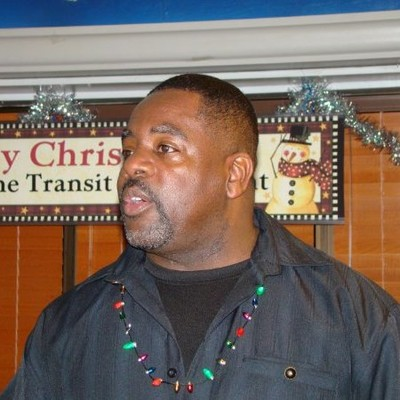

Rome Public Schools reduced payroll by $30,000 per month with Bytecurve
— Elander Graham, Rome Transportation Director
Frequently Asked Questions
How does school bus routing software help with driver shortages?
It shortens runs, balances workloads across drivers, and makes substitutions easier when someone calls out. With Bytecurve, dispatchers can split a route by stop or time and reassign it to multiple drivers, so a single absence doesn’t turn into late buses district-wide.
What kind of ROI can a district expect from bus routing software?
ROI usually comes from three places: fewer buses needed, lower fuel and labor costs, and fewer payroll errors. Poway Unified avoided an $80,000 bus purchase by reworking one route, and Russellville reduced monthly labor costs by about $15,000 after going digital — even after giving drivers a raise.
Can routing software integrate with our existing systems?
The strongest platforms are designed to integrate, not replace. Bytecurve360 sits on top of major routing and GPS providers and connects them to dispatch, driver communications, and payroll, so you get more value from the tools you already own.
How long does implementation usually take?
It depends on data quality and fleet size, but most districts are up and running within a few months. The biggest variable is cleaning up student, vehicle, and driver records before go-live.
What training do dispatchers and drivers need?
Dispatchers typically need a few hours to learn the dashboard, alerts, and reassignment workflow. Drivers usually only need a short walkthrough of the mobile app to clock in, view their schedule, and accept changes. Russellville saw over 95% daily adoption among drivers within a short window.

Secure
Only authorized employees will be able to access DriveOn based on a customer specific access code. This code can be turned off as needed by an authorized administrator.

User friendly
DriveOn is easy to use with a simple, smart interface.
Available on both iOS and Google Play stores.