

BYTECURVE RESOURCES

Transit Technologies to Unveil New Innovations at TMAC 2025, Advancing the Future of Transit Operations


google store
apple store
 Our School Bus Operating platform arms your team with the information they need to improve decision making around safety, reducing costs, and being more efficient each day.

Trusted by dozens of public and private student transportation fleets to improve how they do business. 
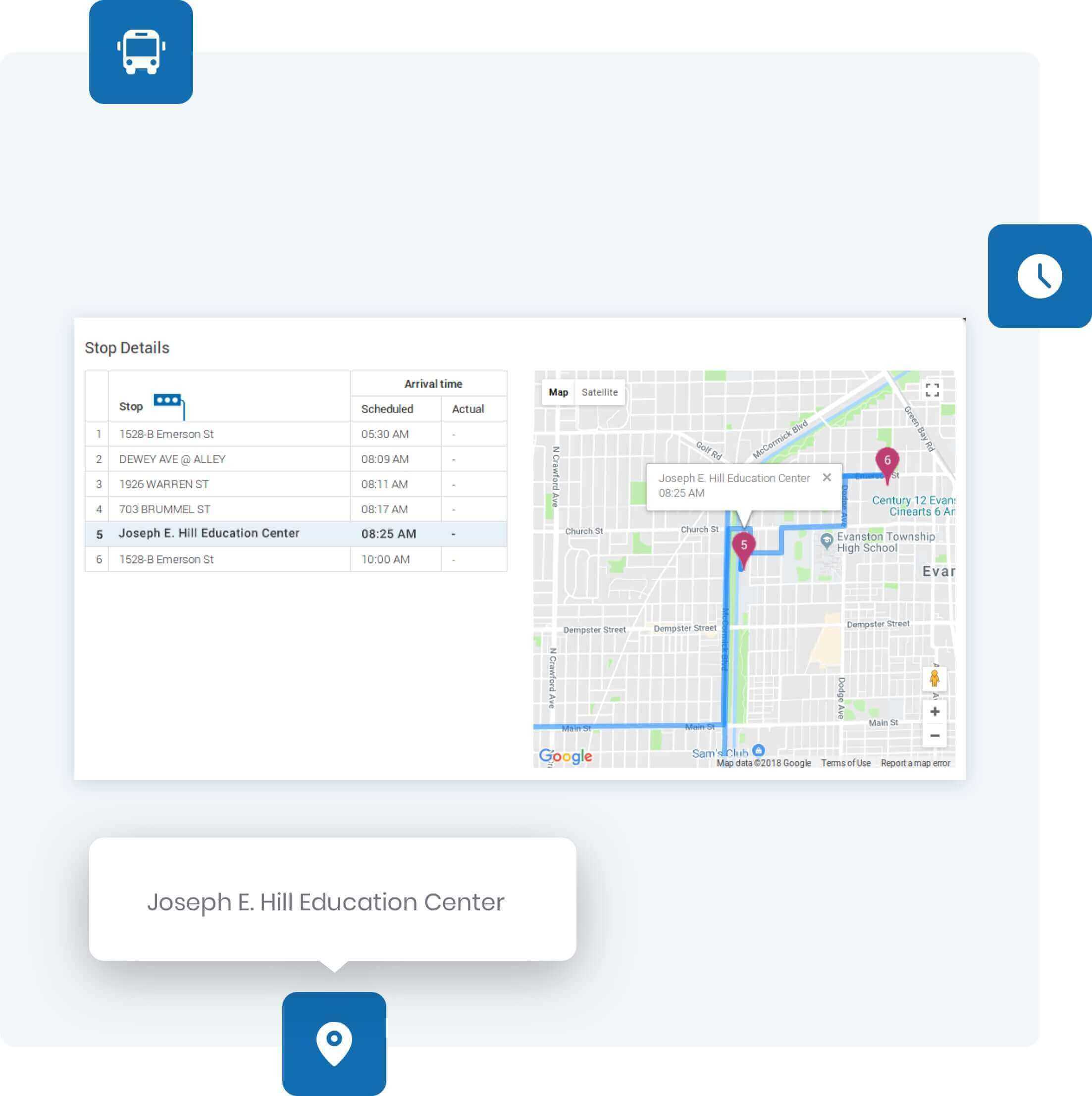
School bus routing software interface displaying a detailed map route and stop schedule for optimized school bus operations at Joseph E. Hill Education Center.

Transit Technologies to Unveil New Innovations at TMAC 2025, Advancing the Future of Transit Operations

AI and Managed Services Promise to Transform Transit and Fleet Performance

Phoenix, AZ — October 28, 2025 Transit Technologies, North America’s leading provider of mobility management solutions, today unveiled a new generation of client-focused technology and AI-powered solutions at the Transit Mobility Alliance Conference (TMAC) 2025.

Hundreds of the nation’s top fleet and mobility leaders have gathered this week in Phoenix for Transit Technologies’ annual client conference, where the company is unveiling a suite of innovations redefining the next era of intelligent mobility.

These new solutions are designed to help agencies modernize service delivery, improve asset performance and strengthen operational resilience underscoring Transit Technologies’ position as the essential technology partner for public transit and fleet providers across North America.

At the center of this year’s announcements are four transformative solutions that extend intelligence, automation, and accessibility across virtually every layer of transit operations:

  • IVA for Trip Management: a conversational AI solution that reimagines rider communication. By replacing rigid Interactive Voice Response (IVR) systems with natural, human-like interaction, the Intelligent Voice Agent (IVA) enables riders to check, change, or cancel trips anytime, expanding access, improving responsiveness, and allowing agency staff to manage high call volumes more efficiently.
  • Managed Eligibility: a digitized, end-to-end eligibility management solution that combines automation with expert human oversight to streamline intake, review, and process ADA-compliant determinations. Agencies gain transparency, accountability, and faster processing while ensuring riders experience clear, consistent communication.
  • Transit Workforce Management: a modern dispatch and payroll platform that synchronizes staffing, scheduling, and payroll management in real time. By connecting AVL and routing solutions with operators and managers through automated updates, the affordable solution minimizes service gaps, eliminates payroll errors, and improves workforce engagement.
  • Data Analytics Studio: a unified analytics and insight engine that gives agencies instant, conversational access to operational data. Leaders can simply “ask” for performance metrics, maintenance status, or trends and receive immediate, visual answers enabling faster, data-driven decisions.

Transit Technologies will also preview two upcoming innovations: IVA for Service Request Creation, which automates maintenance reporting and work order creation to maximize fleet uptime, and Wheelchair Guardian, an AI-powered camera solution that ensures every student and passenger is safely secured before and during transit.

“These innovations reflect our deep commitment to empowering agencies with the technology they need to deliver safe, reliable, and equitable mobility,” said Gerry Leonard, CEO, Transit Technologies. 

“From intelligent automation to operational insight, we’re building the connected foundation for the next era of public transportation and connected fleets.”

Transit Technologies’ integrated portfolio — including Ecolane, TripMaster, busHive, Passio, FASTER, TripShot, Bytecurve, and MJM Innovations — powers mobility for millions of riders every day.

Media Contact:
[email protected]



“The calls, complaints, and headaches that were typical with the previous system have been essentially eliminated.”
– Lynn Wilson

Dispatcher, Hilliard City Schools

Trusted by the Finest Names in School Bus Transportation

Color Logo

Student Transit Wisconsin

Poway Unified Public Schools

Fremont California School District

cook illinois corp

Renton Public Schools Washington

Frequently Asked Questions

How can overtime tracking help address the school bus driver shortage?

Accurate overtime tracking helps retain existing drivers by ensuring they receive correct compensation for all hours worked. When drivers trust that they’ll be paid fairly for extra hours—whether from route changes, field trips, or covering absent colleagues—job satisfaction improves. Additionally, real-time visibility into overtime patterns helps districts identify when they’re overworking certain drivers, allowing better workload distribution that prevents burnout and turnover.

What's the ROI of implementing automated overtime tracking systems?

Most districts see immediate ROI through eliminating payroll errors alone. Richmond Public Schools was losing $150,000 monthly to overtime tracking failures—automated systems would pay for themselves in weeks. Beyond error prevention, districts save 10-15 days monthly of payroll processing time, reduce legal risk from FLSA violations, and gain operational insights that optimize route assignments and reduce overall labor costs. Poway Unified School District reported that Bytecurve paid for itself “about three times over” through identified savings.

Can overtime tracking systems integrate with our existing routing and GPS software?

Yes. Modern platforms like Bytecurve360 were specifically designed to integrate with existing routing systems (Versatrans, Transfinder, etc.) and GPS providers (Zonar, Synovia, etc.) without requiring you to replace functional systems. Integration happens through APIs that automatically share schedule, route, and location data between platforms, creating a unified operational view while preserving your technology investments.

How do we handle union contract requirements in automated overtime systems?

Quality overtime tracking platforms can be configured to match specific union contract provisions, including guaranteed hours, minimum shifts, overtime calculation formulas, and premium pay rules. During implementation, work with your payroll team and union representatives to document all contract requirements, then configure the system to automatically apply these rules. This ensures consistent contract administration while reducing manual calculations that create errors and grievances.

What training do dispatchers and payroll staff need for new overtime tracking systems?

Most modern platforms are designed for intuitive daily use with minimal training. Dispatchers typically need 2-4 hours to learn route reassignment and driver communication features, while payroll staff require similar training on verification processes and report generation. The key is choosing systems built by people with actual transportation operations experience—like Bytecurve’s team with over 100 years of combined student transportation expertise—who understand what dispatchers and payroll administrators actually need to accomplish their work efficiently.

Integrated Student Transportation Software

If your largest concern is how to safely transport students to and from their schools on time, then ByteCurve is the solution you’ve been looking for.