
BYTECURVE RESOURCES
Choose the Right Bus Management Software for Your District


Trusted by the Finest Names in School Bus Transportation
Student Transit Wisconsin

Fremont California School District
Renton Public Schools Washington
School districts face mounting pressure to do more with less. The bus dispatch management system software market was valued at USD 2.4 billion in 2024 and is projected to grow at a compound annual growth rate (CAGR) of 10.6% between 2025 and 2034, driven largely by K-12 districts seeking operational efficiency. Yet many transportation directors still manage daily operations using spreadsheets, paper timesheets, and disconnected systems that create costly inefficiencies.
The right bus management software transforms this chaos into streamlined operations, but not all platforms are built for the unique demands of student transportation. Generic fleet management tools designed for commercial trucking or public transit lack the safety protocols, parent communication features, and compliance tracking that school districts require.
Integrated Student Transportation Software
Key Takeaways:
- Bus management software designed for schools delivers 15-25% reduction in maintenance costs, 10-15% improvement in fuel efficiency, and 25-40% reduction in safety incidents compared to manual operations
- Purpose-built school bus platforms integrate routing, GPS tracking, driver communications, and payroll processing in a single system, eliminating the need for multiple vendor contracts
- Districts using comprehensive bus management software report dramatic reductions in payroll processing time and elimination of buddy-punching through GPS-verified timekeeping
- Modern platforms provide real-time parent notifications and student tracking capabilities that commercial fleet tools cannot support
- Evaluation criteria should prioritize integration with existing routing and GPS systems, mobile driver adoption rates, and demonstrated ROI from similar-sized districts
What Is Bus Management Software?
Bus management software encompasses digital platforms that coordinate fleet operations, driver scheduling, route planning, and vehicle maintenance. However, the term covers two distinct categories with fundamentally different capabilities and target users.
Commercial Fleet Management Tools
Commercial bus management software serves charter companies, public transit agencies, and private transportation providers. These platforms prioritize fare collection, multi-route scheduling across cities, and vehicle utilization metrics. They track passenger counts, optimize schedules for maximum ridership, and manage ticketing systems.
While powerful for their intended purpose, commercial platforms lack the student safety features, parent communication tools, and educational compliance reporting that K-12 districts require. They cannot track individual student boarding, send automated parent alerts when buses run late, or integrate with special education IEP requirements.
School-Specific Bus Management Platforms
School bus management software addresses the unique operational challenges of student transportation. These platforms combine route optimization with student roster management, driver communications, and real-time parent notifications. They track which students board which buses, manage field trip assignments, and coordinate special needs transportation.
Over 55% of school districts in North America have adopted digital bus routing software to enhance safety and fuel efficiency, a trend closely linked to broader bus management software adoption. Districts recognize that what school districts need from bus management software differs fundamentally from commercial fleet requirements.
The distinction matters because purchasing the wrong category wastes budget and fails to solve core operational problems. A charter bus platform cannot send parents real-time notifications when their child’s bus is running 15 minutes late. A commercial fleet tool cannot verify that a diabetic student received required medication during transport.
Why School Districts Need Purpose-Built Bus Management Tools
Generic fleet software falls short in three critical areas that define successful student transportation operations. Districts that attempt to adapt commercial platforms discover these gaps only after implementation, wasting valuable time and resources.
Student Safety and Compliance Requirements
School transportation operates under regulatory frameworks that commercial fleets never encounter. Districts must maintain detailed records of which students rode which buses, document driver certifications and background checks, track vehicle inspection schedules, and prove compliance with state and federal safety standards.
Bus management software for K-12 districts must support student-level tracking, not just vehicle-level metrics. When a parent calls asking if their child boarded the bus that morning, dispatch needs an immediate answer. When a special education student requires specific accommodations, the system must flag those requirements to the assigned driver.
Commercial platforms track vehicles and routes. School platforms track students, their assigned stops, their boarding status, and their individual transportation needs. This granularity is non-negotiable for districts facing liability exposure and parental accountability demands.
Driver Payroll Complexity
School bus drivers work split shifts, variable hours, and complex overtime rules that differ fundamentally from commercial driver compensation. A driver might work a morning route from 6:00-8:30 AM, return for an afternoon route from 2:00-4:30 PM, and add a field trip or athletic event in between.
Manual timekeeping creates payroll chaos. Drivers forget to clock in, supervisors estimate hours from memory, and buddy-punching inflates labor costs. Rome City Schools in Georgia saved $300,000 annually by implementing GPS-verified digital timekeeping that eliminated manual timesheet processing.
Purpose-built bus management software for schools automates payroll by integrating GPS data with routing information. The system knows when a driver started their route, when they completed it, and whether they worked overtime. This automation substantially reduces payroll processing time while eliminating the padding and estimation that drives up labor costs.
Parent Communication Expectations
Modern parents expect real-time visibility into their child’s transportation. They want push notifications when the bus is five minutes away, alerts when routes run late due to weather or traffic, and immediate communication if their child missed the bus.
Commercial fleet software provides none of this. It tracks vehicles for dispatch purposes, not for parent-facing transparency. School-specific platforms like those with integrated parent notification and bus alerts send automated updates based on GPS location, route progress, and estimated arrival times.
This communication layer reduces parent phone calls to the transportation office, improves family satisfaction, and provides documentation when questions arise about pickup times or route changes. Districts without this capability spend hours fielding calls that automated notifications would eliminate.
“All those 10 minutes here and 15 minutes there, those really do add up. And it’s just wonderful peace of mind to know the drivers and the admin staff are on the same page for timesheets.”
Core Features to Expect in School Bus Management Software
Effective bus management software for schools must deliver four foundational capabilities. Districts evaluating platforms should verify that each feature area meets their operational requirements before signing contracts.
Route Optimization and Planning
Route planning determines operational efficiency and cost structure. Bus management software features districts rely on include integration with existing routing platforms, real-time route adjustments based on traffic or weather, and data-driven optimization recommendations.
The platform should answer questions like: Can we consolidate routes to reduce the number of buses needed? Which routes consistently run late and why? How would adding a new subdivision affect our current routing structure?
Poway Unified School District in California avoided a costly bus purchase through data-driven route optimization decisions. The district used routing analytics to prove they could serve additional students by adjusting existing routes rather than expanding the fleet.
Key routing capabilities include:
- Integration with major routing software providers to maintain existing workflows
- GPS data overlay showing actual route performance versus planned routes
- Scenario modeling for route changes, new developments, or enrollment shifts
- Automated alerts when routes deviate from planned paths or schedules
- Historical data analysis identifying patterns in delays or inefficiencies
Driver Scheduling and Dispatch Management
Daily dispatch operations determine whether routes run smoothly or descend into chaos. Dispatch and scheduling tools must handle last-minute driver absences, vehicle breakdowns, and emergency route reassignments without creating operational paralysis.
A centralized dispatch dashboard replaces the whiteboards, spreadsheets, and radio communications that plague traditional operations. Dispatch supervisors need a single view showing which drivers are clocked in, which routes are running, which buses are late, and which drivers are available for reassignment.
South Bend Community Schools in Indiana cut payroll processing from 30 hours per week to 1-2 hours by replacing manual timesheets with GPS-verified digital timekeeping. The same platform provided dispatch visibility that eliminated the daily scramble to track driver locations and route status.
Critical dispatch features include:
- Real-time driver availability and location tracking
- Drag-and-drop driver reassignment for absent or late drivers
- Automated notifications to drivers when assignments change
- Route modification capabilities for weather delays or road closures
- Historical data showing which drivers consistently run late or miss shifts
Parent Notification and Student Tracking
Transparency builds trust with families and reduces administrative burden on transportation offices. Modern platforms provide parents with mobile apps showing real-time bus locations, estimated arrival times, and automated alerts for delays or route changes.
Student-level tracking goes beyond vehicle location. The system should record when individual students board and exit buses, flag when a student misses their assigned bus, and alert parents when their child arrives at school or returns home.
This granularity matters for special education students requiring specific accommodations, students with medical needs, and families managing custody arrangements. The platform must support student-specific rules like “alert both parents when this student boards” or “this student requires a specific seat assignment.”
Fleet Maintenance and Compliance Tracking
Vehicle maintenance directly impacts safety and operational reliability. Bus management software should track inspection schedules, maintenance history, part replacement intervals, and compliance with state and federal safety standards.
The platform must generate alerts when inspections are due, flag vehicles overdue for service, and maintain documentation proving compliance during audits. Integration with maintenance management systems ensures that dispatch knows which vehicles are out of service and cannot be assigned to routes.
Compliance tracking extends to driver certifications, background checks, training requirements, and license renewals. The system should alert administrators when a driver’s CDL is about to expire or when annual training is overdue.
How Bytecurve Brings These Together in One Platform
Most districts cobble together multiple systems to cover routing, GPS tracking, driver communications, and payroll. This fragmentation creates data silos, duplicate entry, and gaps where critical information falls through the cracks.
Bytecurve 360 eliminates this complexity by merging routing data, GPS tracking, driver communications, and payroll processing into a unified command-and-control dashboard. Transportation directors get a single view of their entire operation instead of toggling between disconnected platforms.
The platform integrates with major routing and GPS providers, pulling real-time location data into the same interface that displays driver schedules, payroll information, and route assignments. When a driver calls in sick, dispatch can see which routes are affected, which drivers are available for reassignment, and how the change impacts payroll calculations.
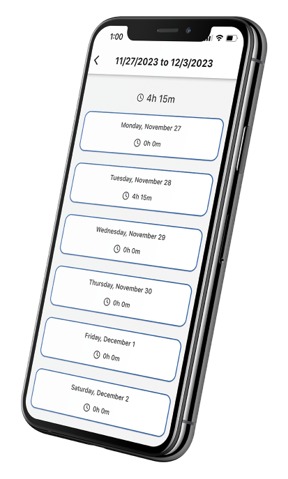
The DriveOn mobile app gives drivers a digital replacement for paper manifests, radio communications, and manual timesheets. Drivers clock in and out with GPS verification, receive route assignments and changes in real-time, and communicate with dispatch through two-way messaging. Districts report 95% driver adoption rates because the app simplifies their daily workflow rather than adding complexity.
Russellville School District in Arkansas saved $15,000 per month in labor costs even after increasing driver wages. The district eliminated the 10-15 minutes of padding that drivers added to manual timesheets, cut overtime from poor route planning, and reduced payroll processing time substantially.
This integration delivers value that single-purpose tools cannot match. When routing data flows into payroll calculations, districts pay drivers for actual time worked rather than estimated hours. When GPS data triggers parent notifications, families receive accurate arrival times without manual intervention. When dispatch sees real-time driver locations, they can reassign routes in seconds rather than making phone calls.
The platform’s analytics layer surfaces insights buried in operational data. Transportation directors can identify which routes consistently run over time, which drivers have the best on-time performance, and where route consolidation could reduce costs. See how districts use Bytecurve to transform reactive operations into proactive management.
“In just that one example, Bytecurve paid for itself about three times over. Bytecurve listened to every word we had to say. They’re just really, really good partners.”
Questions to Ask Before You Buy
Vendor demonstrations focus on features and capabilities, but the right questions reveal whether a platform will actually solve your operational challenges. Districts should bring these evaluation criteria to every demo:
- Integration capabilities: Does the platform integrate with our existing routing software and GPS provider, or does it require replacing systems that already work? Can it pull data from multiple sources into a unified dashboard, or will we still toggle between platforms?
- Mobile adoption rates: What percentage of drivers actively use the mobile app at similar-sized districts? How long does driver onboarding typically take? What support is provided to ensure adoption?
- Payroll accuracy and automation: How does the platform verify driver time and attendance? Can it handle split shifts, variable hours, and complex overtime rules? What percentage reduction in payroll processing time do similar districts report?
- Parent communication features: Does the platform provide automated parent notifications based on real-time GPS data? Can parents track individual students, or only vehicles? What happens when routes run late or change due to weather?
- Implementation timeline and support: How long does full implementation take from contract signing to go-live? What training and support is included? Who manages data migration from existing systems?
- ROI documentation: Can you provide case studies from districts similar to ours showing specific cost savings, time reductions, or efficiency gains? What metrics should we track to measure success?
These questions shift the conversation from features to outcomes. A platform might have impressive capabilities that don’t address your specific pain points. Focus on demonstrated results from districts facing similar challenges.

Transform Your Transportation Operations with Bytecurve
The right bus management software doesn’t just digitize existing processes. It fundamentally transforms how transportation departments operate, shifting from reactive crisis management to proactive data-driven decision-making.
Districts across North America have eliminated payroll chaos, reduced operational costs by 20-25%, and improved parent satisfaction through platforms that unify routing, GPS tracking, driver communications, and payroll into a single command-and-control system. The technology exists. The ROI is proven. The question is whether your district will continue managing operations with disconnected spreadsheets or join the districts already benefiting from integrated platforms.
Bytecurve provides the comprehensive school bus operating platform that bridges the gap between routing and GPS tracking, delivering the unified visibility and control that modern student transportation demands. Request a demo to see how Bytecurve handles every piece of bus management in one platform and discover why districts trust us to manage over 40,000 school buses across North America.

Russellville saves $15,000 per month in payroll
– Christopher King, Transportation Director, Russellville School District

Rome Public Schools reduced payroll by $30,000 per month with Bytecurve
— Elander Graham, Rome Transportation Director
Frequently Asked Questions
What is the difference between bus management software and school bus management software?
Bus management software is a broad category covering any platform that coordinates fleet operations, driver scheduling, and route planning. School bus management software is a specialized subset designed specifically for student transportation, with features like student-level tracking, parent notifications, special education compliance, and integration with school information systems. Generic fleet tools lack the safety protocols, student roster management, and parent communication capabilities that K-12 districts require.
Does bus management software work for both public and private school districts?
Yes, purpose-built school bus management software serves both public and private K-12 districts. The core operational challenges are identical: managing driver schedules, optimizing routes, tracking students, communicating with parents, and processing payroll. Private schools may have additional requirements around tuition-based transportation fees or smaller fleet sizes, but the fundamental platform capabilities remain the same. The key is selecting software designed for student transportation rather than commercial fleet management.
How much does school bus management software cost?
Pricing varies based on fleet size, feature requirements, and implementation complexity. Most vendors charge per-bus monthly fees that vary widely depending on the platform and features selected, with additional costs for parent communication modules, advanced analytics, or integration with existing systems. However, districts should evaluate total cost of ownership including time savings, labor cost reductions, and avoided expenses. According to recent studies, the adoption of real-time analytics in bus dispatch management can lead to a 20% reduction in operational costs, often exceeding the platform subscription cost within the first year.
What integrations should school bus management software have?
Critical integrations include major routing platforms like Tyler Versatrans and Edulog, GPS providers for real-time vehicle tracking, student information systems for roster management, and payroll systems for automated time verification. The platform should also integrate with maintenance management systems, parent communication tools, and state reporting databases. Districts should verify that proposed integrations are production-ready, not just on the roadmap, and ask for references from districts using the same integration stack.

Secure
Only authorized employees will be able to access DriveOn based on a customer specific access code. This code can be turned off as needed by an authorized administrator.

User friendly
DriveOn is easy to use with a simple, smart interface.
Available on both iOS and Google Play stores.