
BYTECURVE RESOURCES
How to Cut Transportation Costs Significantly with Modern Operations Software


Trusted by the Finest Names in School Bus Transportation
Student Transit Wisconsin

Fremont California School District
Renton Public Schools Washington
Across the United States, the cost of public school student transportation rose 33% from 2008 to 2018, reaching an average of $1,152 per student transported in the 2018–19 school year, according to the National Center for Education Statistics. For school districts managing tight budgets and expanding service areas, this unsustainable cost growth demands a fundamental operational shift. Transportation directors face mounting pressure to deliver safe, reliable service while controlling expenses that now consume a significant portion of district budgets.
The answer lies not in cutting routes or reducing service quality, but in eliminating the operational inefficiencies that compound costs across every aspect of student transportation. Modern student transportation software platforms are transforming how districts manage their fleets by automating payroll processing, unifying dispatch operations, and providing data-driven insights that inform capital and operational decisions. Districts implementing comprehensive platforms report substantial payroll savings, dramatic processing time reductions, and route optimization that avoids unnecessary vehicle purchases.
Integrated Student Transportation Software
Key Takeaways: How Modern Transportation Software Transforms District Operations
- Payroll automation delivers the strongest ROI: GPS-verified timekeeping eliminates manual timesheet processing, buddy-punching, and overtime disputes, with districts reporting significant monthly savings through accurate time verification alone
- Unified command-and-control dashboards replace fragmented systems: Platforms that merge routing data with live GPS tracking into a single operational view eliminate spreadsheet chaos and whiteboard dispatch, enabling real-time driver reassignment and route disruption management
- Driver-facing mobile apps achieve strong voluntary adoption rates: Intuitive features like GPS clock-in, real-time route updates, and digital manifests benefit drivers by eliminating paperwork, creating grassroots support that drives implementation success
- Data-driven analytics prevent unnecessary capital expenditures: Comprehensive fleet performance data reveals route consolidation opportunities invisible to routing software alone, with documented cases of districts avoiding costly bus purchases through informed decision-making
- Integration architecture maximizes existing technology investments: Modern platforms work with existing routing and GPS systems rather than replacing them, creating operational efficiency from technology districts already own
Why School Districts Spend $1,152 Per Student on Transportation, And How Software Reduces That Cost
The financial burden of student transportation extends far beyond fuel and vehicle maintenance. According to an academic paper published via arXiv citing the National Center for Education Statistics, the United States spent over $23 billion on public student transportation in the 2012–2013 school year, approximately $914 per student, making even small operational inefficiencies extraordinarily costly at scale. When multiplied across the vast number of students who rely on school buses daily, operational waste compounds into budget-breaking expense.
Transportation directors manage this complexity with tools never designed for modern fleet operations. Paper timesheets create payroll processing bottlenecks that consume significant time weekly. Whiteboard dispatch systems provide no historical data for pattern analysis. Spreadsheet-based routing lacks integration with live GPS data, leaving directors blind to actual vehicle performance versus planned routes. These manual processes don’t just waste administrative time, they create direct financial losses through unverified overtime claims, inefficient route assignments, and reactive rather than proactive operational planning.
The driver shortage crisis intensifies these challenges. A 2023 survey of United States school transportation and administrative leaders found that 65% of respondents were currently experiencing school bus driver shortages, according to the Education Commission of the States. Districts must do more with fewer drivers, making operational efficiency not just a cost-saving measure but a service continuity imperative. Technology platforms that automate dispatch decisions, provide real-time visibility into driver availability, and streamline communication between dispatch and drivers transform how districts respond to daily disruptions.
Bus management software addresses these operational pain points through comprehensive integration. Rather than forcing districts to abandon existing routing or GPS investments, modern platforms create a unifying layer that connects disparate systems into a single source of operational truth. This integration eliminates manual data entry between systems, provides audit-proof documentation for compliance and safety requirements, and gives transportation leaders the visibility needed to make informed decisions about route optimization, staffing levels, and capital expenditures.
How Rome City Schools Eliminated Hundreds of Thousands in Annual Payroll Waste with GPS-Verified Timekeeping
Payroll processing represents the single largest administrative burden and cost-control opportunity for school transportation operations. Traditional timesheet-based systems rely on drivers to manually record their hours, creating opportunities for errors, disputes, and intentional time inflation. Transportation directors spend hours each week reconciling discrepancies, verifying overtime claims, and managing payroll corrections that delay processing and frustrate staff.
Rome City Schools in Georgia transformed this operational nightmare through automated payroll processing integrated with GPS and routing data. The district eliminated manual timesheets entirely, replacing them with GPS-verified clock-in and clock-out that automatically captures driver hours with audit-proof accuracy. The result: substantial annual payroll savings through elimination of unverified overtime and buddy-punching.
“We never expected this level of savings, but our business office was thrilled,” explains Elander Graham, Transportation Director at Rome City Schools. The district’s experience demonstrates how driver scheduling software creates value beyond simple time tracking. GPS integration verifies not just when drivers clock in, but where they are when they do so, eliminating the common practice of early clock-ins from home rather than the bus yard. Automated overtime calculation applies district-specific rules consistently, removing human error and disputes from the process.
Russellville School District in Arkansas achieved similar results, saving significantly on monthly labor costs even after implementing driver wage increases. The district dramatically reduced monthly payroll processing time, freeing administrative staff to focus on operational improvements rather than timesheet reconciliation. “All those 10 minutes here and 15 minutes there really do add up. It’s wonderful peace of mind,” notes Christopher King, Transportation Coordinator at Russellville.
South Bend Community Schools in Indiana cut payroll processing from extensive weekly hours to just a fraction of that time through GPS-verified digital timekeeping. Nancy Halterman from South Bend describes the transformation: “It was a challenging process that never got better until we got Bytecurve.” The platform’s integration with routing data creates automatic verification of driver assignments, ensuring payroll accuracy while eliminating the manual cross-referencing that consumed hours of administrative time.
The payroll automation advantage extends beyond direct cost savings:
- Elimination of overtime disputes: GPS-verified time records provide irrefutable documentation, reducing grievances and improving labor relations
- Audit-proof compliance: Automated records satisfy federal and state labor law requirements without manual documentation
- Faster processing cycles: Districts process payroll in hours rather than days, improving cash flow management and staff satisfaction
- Accurate budget forecasting: Historical payroll data integrated with routing information enables precise staffing cost projections for budget planning
“All those 10 minutes here and 15 minutes there, those really do add up. And it’s just wonderful peace of mind to know the drivers and the admin staff are on the same page for timesheets.”
The Command-and-Control Dashboard: Replacing Whiteboards and Spreadsheets with Real-Time Visibility
Transportation dispatch operations traditionally rely on fragmented tools that provide no unified view of daily operations. Directors juggle whiteboards for driver assignments, spreadsheets for route planning, phone calls for driver communication, and separate GPS systems for vehicle tracking. This operational chaos creates blind spots that prevent proactive management and force reactive crisis response when disruptions occur.
Comprehensive student transportation platform technology transforms dispatch through unified dashboards that merge routing data with live GPS tracking into a single operational view. Rather than checking multiple systems to understand fleet status, transportation leaders see real-time alerts for late drivers, absent drivers, and route disruptions in one centralized interface. This visibility enables proactive management that prevents service failures before they impact students.
A Wisconsin contractor managing hundreds of buses across multiple districts describes their implementation as “Centralized Command, Centralized Control.” The platform eliminated the spreadsheet chaos that previously defined their operations, replacing fragmented data sources with a unified system that provides instant visibility into driver availability, vehicle location, and route status across their entire service area.
Renton School District 403 in Washington achieved similar transformation, moving from spreadsheet-based dispatch to a centralized command-and-control dashboard. “We’re in the customer service business,” explains Gregory Dutton, emphasizing how real-time visibility enables the district to respond quickly to parent concerns and operational disruptions. The platform’s drag-and-drop driver reassignment capability allows dispatch to respond to absent drivers in seconds rather than minutes, minimizing service disruption and parent complaints.
Dispatch software for student transportation delivers operational benefits that extend beyond daily crisis management:
- Historical pattern analysis: Comprehensive data reveals recurring issues like chronic late arrivals or frequent route disruptions, enabling proactive solutions
- Automated alert systems: Real-time notifications for late clock-ins, missed stops, or route deviations trigger immediate response rather than reactive discovery
- Performance monitoring: Integrated routing and GPS data tracks on-time performance, route efficiency, and driver productivity across the entire fleet
- Capacity planning: Historical data informs decisions about staffing levels, vehicle needs, and route design during planning cycles
The integration layer that creates this unified view represents the critical gap that standalone routing or GPS systems cannot address. Routing software plans optimal paths but provides no visibility into actual vehicle performance. GPS tracking shows vehicle location but lacks context about planned routes or driver assignments. Platforms that bridge this gap create operational intelligence that transforms transportation management from reactive firefighting to proactive optimization.
“In just that one example, Bytecurve paid for itself about three times over. Bytecurve listened to every word we had to say. They’re just really, really good partners.”
DriveOn Mobile App Adoption: Why Russellville Achieved Exceptional Driver Buy-In Without Forcing Compliance
Technology adoption among school bus drivers represents a significant implementation challenge for transportation directors. Drivers often resist new systems that add complexity to their daily routines or create perception of increased surveillance. Successful implementation requires driver-facing features that deliver clear benefits rather than just administrative convenience.
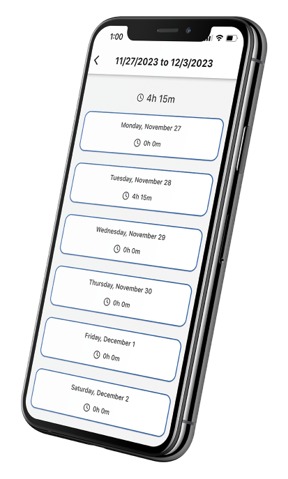
Russellville School District achieved an exceptionally high adoption rate for their bus driver roster software mobile app through intuitive design that benefits drivers directly. The platform’s driver-facing features eliminate paperwork and administrative hassles that previously consumed driver time:
- GPS-verified clock-in and clock-out: Drivers clock in from their mobile device with automatic location verification, eliminating paper timesheets and ensuring accurate pay
- Real-time route and assignment updates: Dispatch pushes route changes, substitute assignments, and schedule modifications directly to driver devices, replacing phone calls and posted notices
- Two-way messaging with dispatch: Drivers communicate route issues, vehicle problems, or schedule questions through the app, creating documented communication trails
- Digital manifests: Student rosters, stop information, and route details appear on driver devices, replacing clipboards and paper printouts
The voluntary adoption success at Russellville demonstrates how technology that solves driver pain points creates grassroots support for implementation. Drivers appreciate the elimination of timesheet paperwork, the accuracy of GPS-verified hours, and the convenience of receiving route updates without checking physical bulletin boards. This bottom-up acceptance proves more effective than top-down mandates for technology compliance.
Christopher King from Russellville explains the driver perspective: “All those 10 minutes here and 15 minutes there really do add up. It’s wonderful peace of mind.” Drivers recognize that accurate time tracking protects them from payroll errors while eliminating the administrative burden of manual timesheet completion. The platform becomes a tool that works for them rather than something imposed on them.
The mobile app architecture also addresses the practical realities of school bus operations. Drivers work in vehicles without desktop computers, often in areas with inconsistent cellular coverage. Effective mobile solutions must function offline, syncing data when connectivity returns, while providing essential features like route information and clock-in capability regardless of network status. Platforms designed by former transportation professionals understand these operational requirements in ways that generic workforce management tools cannot.
Transportation directors benefit from driver adoption through improved operational visibility and communication efficiency. Real-time driver location during clock-in verifies punctuality and prevents early departures. Digital communication creates documented trails for compliance and dispute resolution. Automatic route acknowledgment confirms drivers received assignment changes, eliminating uncertainty about whether information reached the field.

Data-Driven Route Optimization: How Poway USD Avoided a Major Bus Purchase Using Fleet Analytics
Capital expenditure decisions for school transportation typically rely on routing software projections that lack validation against actual operational performance. Districts purchase additional buses based on route plans that assume optimal conditions, without accounting for real-world inefficiencies, traffic patterns, or driver performance variations. This planning gap leads to unnecessary capital investments that compound operational costs for years.
Poway Unified School District in California avoided a costly bus purchase through data-driven route optimization enabled by comprehensive fleet analytics. The district’s routing software suggested they needed an additional vehicle to serve their student population across their service area. However, bus management software solutions that merged routing plans with actual GPS performance data revealed optimization opportunities invisible to routing software alone.
By analyzing historical GPS data showing actual route completion times, stop dwell durations, and traffic pattern impacts, Poway identified route consolidation opportunities that eliminated the need for the additional vehicle. The district served the same student population with their existing fleet through data-informed route adjustments that addressed real-world inefficiencies rather than theoretical optimal paths.
“In just that one example, Bytecurve paid for itself about three times over. They’re just really, really good partners,” explains Tim Purvis, Transportation Director at Poway USD. The ROI from avoiding a single unnecessary capital expenditure exceeded the platform’s annual cost by a factor of three, demonstrating how comprehensive analytics create value beyond operational efficiency improvements.
The analytics capabilities that enabled Poway’s decision extend across multiple operational dimensions:
- Route efficiency analysis: Comparison of planned versus actual route completion times identifies systematic inefficiencies caused by traffic, stop locations, or driver performance
- Fuel consumption tracking: GPS data merged with vehicle telemetry reveals fuel waste from excessive idling, inefficient routing, or driver behavior patterns
- Vehicle utilization metrics: Historical data shows which buses operate at capacity versus which run underutilized routes, informing route consolidation decisions
- Maintenance cost correlation: Integration of maintenance records with route assignments identifies whether certain routes or drivers generate disproportionate vehicle wear
The data integration that creates these insights requires platforms that connect routing software, GPS tracking, maintenance systems, and payroll data into unified analytics. Standalone routing tools optimize theoretical paths but cannot validate whether those paths perform as planned in real-world conditions. GPS tracking shows vehicle location but lacks context about whether that location represents efficient routing or wasted mileage. Comprehensive platforms bridge this gap, creating operational intelligence that informs both daily dispatch decisions and long-term capital planning.
Transportation directors using integrated analytics report identifying fuel savings opportunities worth thousands of dollars monthly, route consolidations that reduce fleet size requirements, and maintenance scheduling optimization that extends vehicle life. These benefits compound over time, with initial operational improvements creating data foundations that enable increasingly sophisticated optimization as historical patterns emerge.


Russellville saves $15,000 per month in payroll
– Christopher King, Transportation Director, Russellville School District


Rome Public Schools reduced payroll by $30,000 per month with Bytecurve
— Elander Graham, Rome Transportation Director
Integration Architecture: How Student Transportation Software Connects Routing, GPS, and Payroll Systems
School districts have typically invested significant capital in routing software and GPS tracking systems that operate as independent silos. Routing platforms design optimal paths based on student addresses and school schedules. GPS systems track vehicle locations and provide parent notification features. Payroll systems process driver compensation based on manually entered timesheets. These disconnected tools create operational gaps that force transportation directors to manually reconcile data between systems, eliminating the efficiency benefits each tool promises individually.
Modern school bus management software platforms function as integration layers that connect these existing investments rather than replacing them. The architecture works with major routing providers, pulling planned route data into a unified operational dashboard. Simultaneously, the platform integrates with GPS vendors to capture real-time vehicle location, driver identification, and route performance data. This merged dataset creates operational intelligence impossible to achieve with standalone tools.
The integration architecture operates through API connections and data synchronization protocols that eliminate manual data entry. When routing software generates a new route assignment, the integrated platform automatically pushes that information to the dispatch dashboard and driver mobile devices. When a driver clocks in via GPS-verified mobile app, the system cross-references their location against their assigned route and vehicle, creating automatic verification that feeds payroll processing. When GPS tracking shows a vehicle deviating from its planned route, the platform generates real-time alerts that enable immediate dispatch response.
For transportation directors evaluating platforms, understanding integration capabilities proves critical to implementation success. Key technical considerations include:
- Native integrations versus custom development: Platforms with pre-built integrations to major routing and GPS vendors deploy faster and require less technical support than those requiring custom API development
- Data synchronization frequency: Real-time or near-real-time data updates enable proactive operational management, while batch synchronization creates operational blind spots
- Bidirectional data flow: Effective integration allows dispatch decisions made in the unified platform to flow back to routing and GPS systems, maintaining consistency across tools
- Historical data retention: Comprehensive analytics require platforms that store integrated historical data rather than just providing real-time views
The integration layer also addresses data quality and validation challenges that plague manual reconciliation. When payroll data comes from GPS-verified clock-ins cross-referenced against routing assignments, the system automatically flags discrepancies like drivers clocking in for routes they’re not assigned to or vehicles appearing in locations inconsistent with their planned routes. These automated checks prevent payroll errors and safety compliance issues that manual processes often miss.
Districts implementing integrated platforms report that the unified architecture delivers value beyond operational efficiency. The comprehensive data foundation enables sophisticated reporting for school board presentations, state compliance documentation, and federal grant applications. Transportation directors can demonstrate route efficiency improvements, cost per student metrics, and safety performance trends with data accuracy impossible to achieve through manual spreadsheet consolidation.
School transportation operations face unprecedented pressure to control costs while maintaining service quality in an environment of driver shortages and rising per-student expenses. The manual processes that defined transportation management for decades: paper timesheets, whiteboard dispatch, and disconnected routing and GPS systems, no longer provide the operational efficiency modern districts require. Comprehensive platforms that integrate payroll automation, unified dispatch dashboards, driver mobile applications, and data-driven analytics transform these operational challenges into opportunities for significant cost reduction and service improvement.
Districts implementing modern student transportation software report substantial payroll savings, dramatic processing time reductions, and data-driven decisions that avoid unnecessary capital expenditures. These platforms work with existing routing and GPS investments rather than replacing them, creating integration layers that maximize technology value districts already own. Exceptionally high driver adoption rates demonstrate that well-designed mobile applications solve real operational pain points rather than creating new administrative burdens.
Bytecurve 360 provides the comprehensive integration architecture that bridges the gap between routing, GPS tracking, and payroll management. Transportation directors gain the command-and-control visibility needed to manage daily operations proactively while building the historical data foundation that informs long-term strategic decisions. Request a demo to see how unified student transportation management transforms operational efficiency and cost control for your district.
Frequently Asked Questions About Student Transportation Software Implementation
How long does implementation take, and will it disrupt daily operations?
Implementation timelines vary based on district size and existing system complexity, but most deployments complete within a reasonable timeframe from contract signing to full operational use. The process typically follows a phased approach: initial data integration and system configuration, driver training and pilot testing, and full deployment with ongoing support. Districts maintain normal operations throughout implementation by running parallel systems during the transition period, with the new platform gradually assuming operational responsibilities as staff gain confidence. South Bend Community Schools cut payroll processing time dramatically within three months of deployment, demonstrating how quickly efficiency gains materialize.
What training do drivers need, and how do we ensure adoption?
Driver training for mobile applications typically requires minimal hands-on instruction covering clock-in procedures, route viewing, and basic messaging features. Successful districts conduct small-group training sessions during regular driver meetings rather than requiring separate training days. Russellville School District achieved an exceptionally high voluntary adoption rate by emphasizing driver benefits like elimination of paper timesheets, accurate pay verification, and convenient route update access. The key to adoption lies in demonstrating how the technology solves driver pain points rather than presenting it as an administrative surveillance tool. Districts report that early adopters become internal advocates who encourage hesitant colleagues, creating organic adoption momentum.
How do we migrate historical data from our current systems?
Data migration follows a structured process that preserves historical information while establishing clean data foundations for the new platform. Most implementations begin with extraction of driver records, vehicle information, route assignments, and payroll history from existing systems. The platform provider typically handles data cleaning and formatting to ensure compatibility with the new system’s structure. Critical historical data like driver certifications, vehicle maintenance records, and route performance metrics transfer into the new platform, while redundant or outdated information is archived separately. Rome City Schools maintained full historical payroll records during their transition while immediately gaining access to GPS-verified time tracking that eliminated their previous annual payroll waste.
What ROI should we expect, and how quickly does the platform pay for itself?
ROI varies by district size and operational inefficiencies addressed, but documented examples show relatively quick payback periods. Payroll automation delivers the fastest returns, with districts reporting substantial monthly savings through elimination of unverified overtime and processing time reduction. Route optimization creates additional value through fuel savings, deferred vehicle purchases, and reduced maintenance costs. Poway USD’s single example of avoiding an unnecessary bus purchase paid for their platform implementation three times over in one decision. Districts should calculate expected ROI based on current payroll processing costs, overtime expense trends, and planned capital expenditures that comprehensive analytics might optimize or eliminate.
What ongoing support and system updates can we expect after implementation?
Comprehensive platforms provide ongoing technical support through dedicated account management, help desk access, and regular system updates that add features and maintain integration compatibility as routing and GPS vendors evolve their systems. Districts typically receive quarterly platform updates that incorporate user feedback and industry best practices without requiring manual upgrades or system downtime. Support models vary by provider, but leading platforms offer phone and email support during business hours, online training resources for new staff, and annual strategy sessions that help districts maximize platform value as their operational needs evolve. The platform becomes a long-term partnership rather than a one-time software purchase, with providers invested in district success and continuous improvement.

Secure
Only authorized employees will be able to access DriveOn based on a customer specific access code. This code can be turned off as needed by an authorized administrator.

User friendly
DriveOn is easy to use with a simple, smart interface.
Available on both iOS and Google Play stores.