
BYTECURVE RESOURCES
Streamline Routes with School Bus Dispatch Software


Trusted by the Finest Names in School Bus Transportation

Student Transit Wisconsin

Fremont California School District

Renton Public Schools Washington
According to a 2024 nationwide survey of more than 400 United States school leaders, 91% reported their transportation operations were constrained by school bus driver shortages, and 60% said the shortage had been severe enough to require shortened or reduced bus routes. Yet most transportation directors still manage daily operations with whiteboards, spreadsheets, and disconnected systems that create operational blind spots exactly when visibility matters most.
Modern school bus dispatch software transforms this reality by merging routing data with GPS fleet tracking into a unified command-and-control platform. Districts implementing these systems report dramatic reductions in payroll processing time, substantial monthly labor cost savings, and the operational visibility needed to manage route disruptions caused by absent drivers. This article examines how transportation leaders are replacing manual processes with automated dispatch technology that delivers measurable ROI while addressing the industry’s most pressing operational challenges.
Integrated Student Transportation Software
Key Takeaways: Command-and-Control Dispatch Technology
- Modern dispatch platforms merge routing software data with GPS fleet tracking to create unified operational visibility that standalone systems cannot provide
- Districts achieve dramatic reductions in monthly payroll processing time through GPS-verified timekeeping that eliminates manual timesheet reconciliation and buddy-punching
- Mobile driver applications enable exceptionally high voluntary adoption rates by providing clock-in functionality, real-time route changes, and two-way dispatch messaging
- Automated payroll processing with configurable overtime rules delivers substantial monthly labor cost savings even after driver wage increases
- Real-time alerts for late and absent drivers enable rapid reassignment during route disruptions, addressing operational challenges created by widespread driver shortages
Why 91% of Districts Still Rely on Spreadsheets for Daily Dispatch
Transportation directors face a fundamental operational disconnect. Most districts invest in sophisticated routing software to plan efficient routes and GPS tracking systems to monitor vehicle locations, yet these systems operate in isolation. When a driver calls in absent at 5:45 AM, dispatch coordinators scramble between multiple screens, paper rosters, and whiteboard assignments to find coverage.
This fragmentation creates operational blind spots during the moments that matter most. Routing software shows planned assignments but lacks real-time driver availability data. GPS tracking displays vehicle locations but provides no context about which drivers are running late or which routes face disruption. Transportation directors manage daily operations by manually cross-referencing disconnected systems, often relying on institutional knowledge rather than data-driven decision-making.
The challenge intensifies as driver shortages force operational changes. When 60% of districts report shortages severe enough to require route reductions, dispatch coordinators need real-time visibility into driver availability, historical assignment patterns, and rapid reassignment capabilities. Traditional approaches using spreadsheets and whiteboards cannot scale to meet these demands.
School bus management software platforms address this disconnect by creating a unified operational layer that sits above routing and GPS systems. Rather than replacing existing investments, modern dispatch technology integrates with established routing and tracking platforms to merge their data into a single command-and-control dashboard. This integration transforms how transportation directors manage daily operations, moving from reactive problem-solving to proactive operational management.
Districts implementing integrated dispatch systems report immediate operational improvements. Dispatch coordinators gain single-screen visibility into driver assignments, vehicle locations, and route status. Real-time alerts notify teams when drivers clock in late or fail to start routes on schedule. Historical data reveals patterns that enable proactive planning rather than reactive crisis management.
How Russellville Saved Significantly on Monthly Costs Even After Driver Wage Increases
Russellville School District in Arkansas operates 65+ buses across 99 square miles, serving 5,694 students daily. Like most districts, they faced mounting pressure to increase driver wages while controlling operational costs. The transportation department processed payroll manually using paper timesheets, a process vulnerable to errors and time theft that consumed significant administrative resources each month.
The district implemented Bytecurve 360 to automate payroll processing through GPS-verified timekeeping. Drivers now clock in and out using the DriveOn mobile app, with every timestamp verified against GPS location data to confirm drivers are at their assigned locations. This eliminated buddy-punching entirely and removed the administrative burden of manually reviewing and approving paper timesheets.
The results exceeded expectations. Russellville achieved a dramatic reduction in monthly payroll processing time, freeing transportation staff to focus on operational improvements rather than timesheet reconciliation. More significantly, the district achieved substantial monthly labor cost savings through accurate time tracking that captured the cumulative impact of early clock-ins, late clock-outs, and unauthorized overtime.
“All those 10 minutes here and 15 minutes there really do add up. It’s wonderful peace of mind,” explained Christopher King, Transportation Coordinator at Russellville. The district used these savings to increase driver wages while maintaining budget targets, demonstrating how operational efficiency enables competitive compensation without budget increases.
The transformation extended beyond payroll. Russellville achieved exceptionally high driver adoption of the mobile app without mandates, as drivers appreciated the convenience of remote clock-in and real-time access to schedule changes. The comprehensive student transportation platform replaced multiple disconnected processes with a unified system that improved both administrative efficiency and driver satisfaction.
“All those 10 minutes here and 15 minutes there, those really do add up. And it’s just wonderful peace of mind to know the drivers and the admin staff are on the same page for timesheets.”
The Command-and-Control Dashboard: Merging Routing Data with Live GPS
Traditional transportation operations require coordinators to monitor multiple systems simultaneously. Routing software displays planned assignments. GPS tracking shows vehicle locations. Driver schedules live in spreadsheets. Route modifications happen on whiteboards. This fragmentation creates information silos that prevent holistic operational visibility.
Modern dispatch platforms eliminate these silos by integrating with both routing and GPS systems to create a unified operational dashboard. Bytecurve 360 exemplifies this approach through its Scheduling and Dispatch Module, which merges data from routing software and GPS fleet tracking into a single command-and-control interface.
The platform provides real-time operational visibility through several integrated capabilities:
- Live driver status monitoring showing clock-in times, current locations, and route progress against scheduled timelines
- Automated alerts for late drivers, absent drivers, and route disruptions that require immediate attention
- Drag-and-drop reassignment enabling rapid driver changes when absences or delays create coverage gaps
- Historical pattern analysis revealing recurring operational challenges that enable proactive planning
- Two-way messaging connecting dispatch coordinators with drivers for real-time communication during disruptions
This integration transforms daily operations. When a driver calls in absent, coordinators see immediately which routes need coverage, which drivers have availability, and historical data showing which substitutes have successfully covered similar routes. Reassignment happens through drag-and-drop interface changes that automatically notify affected drivers through the mobile app.
Driver scheduling software capabilities extend beyond simple roster management. Modern platforms incorporate GPS-verified attendance, automated schedule distribution, and real-time modification capabilities that keep drivers informed as operational conditions change throughout the day.
The command-and-control approach addresses a fundamental challenge in transportation operations: the gap between planned efficiency and operational reality. Routing software optimizes theoretical efficiency, but daily operations face constant disruptions from absent drivers, vehicle breakdowns, and unexpected route modifications. Dispatch routing integration bridges this gap by providing the real-time visibility and rapid response capabilities needed to maintain service quality despite operational challenges.
Districts implementing unified dispatch platforms report significant operational improvements. Student Transit in Wisconsin, which operates approximately 500 buses across three districts, dubbed their Bytecurve implementation “Centralized Command, Centralized Control.” The platform enabled them to manage operations across multiple districts from a single dashboard, replacing the fragmented systems that previously required coordinators to monitor separate interfaces for each district.
“In just that one example, Bytecurve paid for itself about three times over. Bytecurve listened to every word we had to say. They’re just really, really good partners.”
Automated Payroll Processing: From 30 Hours to 2 Hours Per Week
South Bend Community Schools in Indiana employs 150 transportation staff members. Before implementing automated payroll processing, the district spent 30 hours weekly managing manual timesheets, reviewing clock-in/clock-out records, calculating overtime, and resolving discrepancies. The process created administrative burden while remaining vulnerable to errors and time theft.
“It was a challenging process that never got better until we got Bytecurve,” explained Nancy Halterman, describing the district’s manual payroll workflow. Transportation staff submitted paper timesheets that required manual review and approval. Coordinators cross-referenced submitted hours against route schedules to identify discrepancies. Overtime calculations happened manually using spreadsheet formulas. The entire process consumed significant administrative resources while providing limited visibility into labor cost patterns.
South Bend implemented Bytecurve Payroll to automate time verification and payroll processing. The system integrates GPS data from fleet tracking with routing data from scheduling systems to create automated time records verified against driver locations and assignments. Drivers clock in and out using the DriveOn mobile app, with every timestamp automatically verified against GPS coordinates to confirm drivers are at their assigned locations.
The transformation was immediate. South Bend reduced payroll processing from 30 hours weekly to 1-2 hours through automated workflows that eliminated manual timesheet review. GPS-verified timekeeping prevented buddy-punching and early clock-ins. Configurable overtime rules automatically calculated premium pay based on district policies. The system generated exception reports highlighting discrepancies that required coordinator attention, focusing human oversight on genuine issues rather than routine verification.
Rome City Schools in Georgia achieved even more dramatic results. The district saved an exceptional amount annually through automated payroll processing that eliminated manual timesheet reconciliation and captured labor cost leakage from unauthorized overtime and time theft. “We never expected this level of savings, but our business office was thrilled,” noted Elander Graham, Transportation Director.
The financial impact extends beyond direct labor cost savings. Automated payroll processing provides detailed analytics showing labor cost patterns, overtime trends, and route-level efficiency metrics. Transportation directors use this data to optimize driver assignments, identify routes requiring schedule adjustments, and make evidence-based decisions about staffing levels and route modifications.
Modern payroll automation delivers several operational benefits:
- GPS-verified clock-in/clock-out eliminating buddy-punching and confirming drivers are at assigned locations
- Automated overtime calculation applying configurable rules for premium pay, holiday rates, and special assignments
- Exception reporting highlighting discrepancies requiring coordinator review rather than manual verification of every timesheet
- Integration with routing data verifying worked hours against scheduled assignments to identify unauthorized time
- Detailed analytics revealing labor cost patterns and efficiency opportunities across routes and drivers
Districts implementing automated payroll report consistent results: dramatic reductions in processing time, significant labor cost savings through accurate time tracking, and improved data visibility enabling proactive operational management.

Mobile Driver Technology: High Adoption Rates Without Mandates
Driver adoption determines whether technology implementations succeed or fail. Transportation directors have learned this lesson through failed deployments of tablets, apps, and tracking systems that drivers resisted or ignored. The key to successful adoption lies in providing genuine value to drivers rather than implementing surveillance tools disguised as operational improvements.
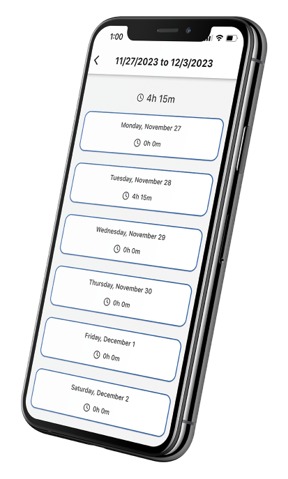
The DriveOn mobile app demonstrates this principle through design focused on driver convenience. Rather than requiring drivers to learn complex interfaces or complete administrative tasks, the app provides simple functionality that makes drivers’ jobs easier:
- Remote clock-in/clock-out eliminating the need to visit dispatch offices before and after routes
- Real-time schedule viewing showing current assignments and upcoming route changes
- Automated route notifications alerting drivers to assignment modifications without requiring dispatch calls
- Two-way messaging enabling direct communication with coordinators during route disruptions
- Digital manifests replacing paper-based student rosters with mobile-accessible lists
Russellville School District achieved exceptionally high voluntary adoption of the DriveOn app without mandates or penalties for non-participation. Drivers embraced the technology because it solved genuine pain points in their daily workflow. Remote clock-in eliminated the need to arrive at dispatch offices before routes, saving drivers time while providing the district with GPS-verified attendance. Real-time notifications kept drivers informed about schedule changes without requiring them to call dispatch for updates.
The adoption success stems from recognizing that drivers are customers of transportation technology, not subjects of surveillance systems. Districts that position mobile apps as driver convenience tools achieve high adoption rates. Districts that emphasize monitoring and tracking face resistance and minimal engagement.
Mobile driver technology delivers operational benefits beyond convenience. GPS-verified clock-in provides accurate attendance data that feeds into automated payroll processing. Two-way messaging enables rapid communication during route disruptions, reducing response times when drivers encounter vehicle problems or need assistance. Digital manifests eliminate paper-based processes while providing drivers with up-to-date student information.
The technology also addresses driver shortage challenges by improving job satisfaction. Drivers appreciate tools that respect their time, provide clear communication, and eliminate administrative friction. Districts implementing driver-focused mobile technology report improved retention rates and easier recruitment, as drivers share positive experiences with potential applicants.
Modern mobile driver platforms integrate with broader dispatch systems to create seamless operational workflows. When coordinators modify assignments in the dispatch dashboard, affected drivers receive automatic notifications through the mobile app. When drivers clock in late or encounter route problems, dispatch coordinators receive real-time alerts enabling rapid response. This bidirectional communication creates operational agility that manual processes cannot match.


Russellville saves $15,000 per month in payroll
– Christopher King, Transportation Director, Russellville School District


Rome Public Schools reduced payroll by $30,000 per month with Bytecurve
— Elander Graham, Rome Transportation Director
Route Disruption Management When 65% of Districts Face Driver Shortages
A 2023 survey of United States school transportation and administrative leaders found that 65% of respondents were currently experiencing school bus driver shortages. These shortages create daily operational challenges as districts struggle to cover routes when drivers call in absent or arrive late. Traditional dispatch methods using whiteboards and phone calls cannot scale to meet the rapid response requirements these situations demand.
Modern student transportation dispatch systems transform route disruption management through real-time visibility and automated workflows. When a driver calls in absent, the platform immediately identifies affected routes and displays available substitute drivers based on certification, route familiarity, and current assignments. Coordinators reassign coverage through drag-and-drop interface changes that automatically notify affected drivers through mobile apps.
The operational impact proves significant. Districts report reducing route disruption response times from 15-20 minutes of phone calls and whiteboard updates to 2-3 minutes of digital reassignment. This speed matters when students wait at bus stops and parents expect reliable service despite staffing challenges.
Real-time alerts provide proactive disruption management. The platform monitors driver clock-in times against scheduled route start times, generating automatic alerts when drivers are late or absent. Coordinators receive these notifications before routes face disruption, enabling preemptive coverage arrangements rather than reactive crisis management.
Historical data analysis reveals patterns that enable strategic planning. Transportation directors identify drivers with frequent absences, routes that consistently face coverage challenges, and time periods requiring additional staffing depth. This intelligence informs hiring decisions, route modifications, and contingency planning that reduce disruption frequency.
The technology addresses driver shortage impacts through several mechanisms:
- Rapid reassignment capabilities reducing response times when absences create coverage gaps
- Historical pattern analysis identifying operational vulnerabilities requiring strategic attention
- Automated substitute notifications eliminating manual phone calls when coverage needs arise
- Route consolidation planning using data to identify opportunities for efficiency improvements
- Driver utilization optimization ensuring available staff are deployed effectively across routes
Districts implementing comprehensive dispatch platforms report maintaining service quality despite persistent driver shortages. The technology cannot solve staffing challenges, but it maximizes operational efficiency with available resources while providing the data visibility needed for strategic workforce planning.
Transform Your Transportation Operations with Proven Dispatch Technology
Transportation directors face mounting pressure to control costs while maintaining service quality despite persistent driver shortages. Manual processes using spreadsheets and whiteboards cannot scale to meet these operational demands. Districts implementing modern dispatch platforms report immediate improvements: dramatic reductions in payroll processing time, significant labor cost savings, and the operational visibility needed to manage route disruptions effectively.
Bytecurve 360 provides the unified command-and-control platform transportation leaders need to transform daily operations. The system integrates with existing routing and GPS investments to create single-dashboard visibility across scheduling, dispatch, payroll, and driver communications. Districts across North America rely on Bytecurve technology to manage 40,000+ school buses through automated workflows that deliver measurable ROI while addressing industry challenges.
Ready to see how dispatch automation can transform your operations? Request a demo to learn how Bytecurve delivers the operational efficiency and cost savings transportation directors need in today’s challenging environment.
Frequently Asked Questions
How does school bus dispatch software reduce payroll costs?
Dispatch platforms reduce payroll costs through GPS-verified timekeeping that eliminates buddy-punching, early clock-ins, and unauthorized overtime. Districts report dramatic reductions in payroll processing time through automated workflows that replace manual timesheet review. Russellville School District achieves substantial monthly savings through accurate time tracking, while Rome City Schools achieved exceptional annual savings through payroll automation.
What's the difference between routing software and dispatch platforms?
Routing software optimizes planned routes and schedules but lacks real-time operational visibility. Dispatch platforms integrate with routing systems and GPS tracking to create unified command-and-control dashboards that merge planned schedules with live fleet data. This integration enables real-time driver reassignment, automated disruption alerts, and operational visibility that standalone routing systems cannot provide.
How do districts handle absent driver management with dispatch software?
Modern platforms provide real-time alerts when drivers fail to clock in on schedule, automatically identifying affected routes and displaying available substitute drivers. Coordinators reassign coverage through drag-and-drop interfaces that automatically notify affected drivers through mobile apps. Districts report reducing disruption response times from 15-20 minutes to 2-3 minutes through automated workflows.
What ROI should transportation directors expect from dispatch technology?
Districts consistently report dramatic reductions in payroll processing time, substantial monthly labor cost savings, and exceptionally high driver adoption rates for mobile applications. GPS tracking reduces route inefficiencies by up to 25% through data-driven optimization. Implementation typically pays for itself within 6-12 months through payroll savings alone, with additional benefits from operational efficiency improvements.
How does GPS integration improve daily dispatch operations?
GPS integration merges live vehicle location data with routing schedules to create real-time operational visibility. Coordinators see which drivers are running late, which routes face disruption, and which vehicles require attention. GPS-verified clock-in eliminates time theft while providing accurate data for automated payroll processing. The integration transforms dispatch from reactive problem-solving to proactive operational management.

Secure
Only authorized employees will be able to access DriveOn based on a customer specific access code. This code can be turned off as needed by an authorized administrator.

User friendly
DriveOn is easy to use with a simple, smart interface.
Available on both iOS and Google Play stores.