
BYTECURVE RESOURCES
Streamline Operations with Integrated School Bus Management Software


Trusted by the Finest Names in School Bus Transportation
Student Transit Wisconsin

Fremont California School District
Renton Public Schools Washington
The Houston Independent School District spent $26 million on overtime pay in a single year, with 650 employees accumulating overtime hours that exceeded 30 percent of their base pay, according to a district efficiency report. This figure wasn’t unique to Houston. It was the predictable result of managing complex transportation operations with disconnected systems, manual scheduling processes, and limited real-time visibility between the front office and the driver’s seat.
For transportation directors managing dozens or even hundreds of routes, the daily challenge of assigning drivers, tracking schedules, and processing accurate payroll remains one of the most time-consuming parts of the job. When these tasks rely on whiteboards, paper timecards, and spreadsheets, errors multiply, and costs spiral. The data silo between dispatch, driver operations, and payroll creates blind spots that waste money, drain staff morale, and put on-time performance at risk.
This article explores how school bus management software eliminates these data silos by connecting routing, GPS fleet tracking, and payroll into one integrated platform. You’ll learn how modern driver scheduling software automates daily dispatch, improves payroll accuracy, and helps transportation departments do more with less during an era of persistent driver shortages.
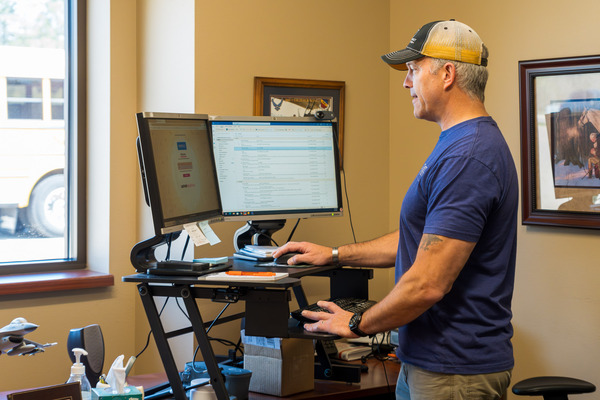

Integrated Student Transportation Software
Understanding School Bus Management Software
School bus management software is a technology platform designed to centralize the daily operational tasks that transportation departments handle every morning, afternoon, and everything in between. At its core, this software replaces the fragmented approach of using separate tools for routing, driver scheduling, time tracking, and payroll with a single, connected system that gives fleet managers a 360-degree view of operations.
Unlike standalone routing software that builds efficient bus routes or GPS tracking systems that show where vehicles are in real-time, management software bridges the gap between these existing tools. It creates what industry professionals call a “dispatch command center” where transportation directors can see planned routes alongside actual driver assignments, monitor on-time performance, and catch payroll discrepancies before they turn into costly errors.
The need for this kind of integrated platform has never been more urgent. According to HopSkipDrive’s 2025 State of School Transportation Report, 80 percent of school administrators still face persistent driver shortages, while 73 percent report budget shortfalls impacting their transportation operations. These dual pressures mean districts can’t afford to waste hours on manual scheduling processes or absorb the hidden costs of payroll errors that go undetected for weeks.
The School Bus Fleet 2025 district survey confirms this technology shift is well underway. App adoption for rider tracking and parent communication jumped to 68 percent, nearly doubling in two years. But the back-office systems that manage driver assignments, shift bidding, and payroll verification haven’t kept pace in many districts. That gap between front-facing technology and behind-the-scenes operations is exactly where school bus management software delivers the most value.
“The calls, complaints, and headaches that were typical with the previous system have been essentially eliminated.”
How School Bus Management Software Improves Operations
Automated Driver Scheduling Replaces Whiteboards and Spreadsheets
Every transportation department knows the morning scramble. A driver calls out sick at 5:30 AM, and the dispatcher has to figure out who’s available, which routes can be combined, and how to get every student to school on time. With paper-based systems, this process involves phone calls, sticky notes, and educated guesses. With integrated scheduling and dispatch software, dispatchers can see available drivers, reassign routes with a few clicks, and automatically notify affected drivers through the mobile app.
Beyond daily dispatch, modern scheduling platforms also support shift bidding, where available drivers can view and claim open routes or extra runs directly from their mobile device. This eliminates the chain of phone calls that dispatchers traditionally make to fill gaps. When a field trip comes in, or extra coverage is needed, the system posts the available shift, and qualified drivers can bid on it based on seniority, availability, or other rules your department sets. This process is transparent, documented, and far more efficient than the first-come-first-served phone tree that most departments still rely on.
This shift from reactive to proactive scheduling has a direct impact on operations. As Gregory Dutton at Renton School District 403 discovered, there was always a missing piece of technology between the routing system and the GPS platform.
“We’re in the customer service business,” Dutton explained. He knew there had to be a way to bridge the gaps between systems and improve how his team managed daily dispatch challenges, driver communications, and payroll.
Payroll Accuracy Saves Thousands and Eliminates Administrative Burden
Payroll errors in school transportation are more common than most districts realize, and the financial impact is significant. At Houston ISD, the transportation department was spending $4 million on overtime alone, with total budgeted payroll costs exceeding $12 million for the 2024–25 school year. Many drivers had accumulated overtime pay exceeding 10 percent of their projected annual earnings.
Integrated time and attendance software addresses these challenges by connecting driver clock-in and clock-out data directly to route assignments. This eliminates the manual process of matching timecards to schedules and automatically flags discrepancies before they reach the payroll system.
The payroll transformation at South Bend Community School Corporation illustrates just how dramatic the improvement can be. Beverly Greider and Nancy Halterman used to process timecards for 150 drivers, aides, and mechanics using pencil-and-paper systems that generated dozens of errors every pay period.
“Prior to Bytecurve, we spent 30 hours a week doing payroll from start to finish. And that was a good week when there were not a lot of questions,” Greider said. “Now it takes me an hour or two. It’s been a complete game changer for our workload and accuracy.”
Safety and Compliance Tracking for Driver Certifications
Managing driver certifications, CDL renewals, drug testing schedules, and vehicle inspection records across a fleet of 50 or more drivers is a compliance challenge that carries real consequences if details slip through the cracks. FMCSA regulations require specific documentation, and state DOT requirements add another layer of accountability.
School bus management software centralizes these records and provides automated alerts when certifications are approaching expiration. Instead of relying on spreadsheets or filing cabinets to track when a driver’s medical card expires, the system proactively notifies administrators so they can take action before a compliance gap puts routes at risk.
Real-Time Visibility Connects the Front Office and the Driver’s Seat
One of the biggest operational challenges in school transportation is the disconnect between what’s happening in the dispatch office and what’s happening on the road. When a driver encounters a route delay, a vehicle breakdown, or an unexpected school schedule change, that information needs to flow instantly in both directions.
Modern driver communication platforms like the DriveOn mobile app give drivers the ability to check in and out remotely, view updated schedules, and receive push notifications about route changes in real-time. For dispatchers, this means no more calling drivers individually or relying on radio communication to push out schedule updates across the entire fleet.
Marty Klukas, General Manager at Student Transit, described the impact clearly: “It’s helped us provide a new level of command and control that allows us to be ahead of issues instead of responding to them.”
“We can get a request today and be ready to dispatch a bus tomorrow and not have it disrupt us. busHive makes it easy to route it across all the approvals and get the driver assigned in no time.”
Implementing School Bus Management Software in Your Transportation Department
Getting Started
The first step toward implementing school bus management software is understanding what’s already working in your department and where the biggest gaps exist. Most districts already use routing software and GPS tracking, so the goal isn’t to replace those investments. Instead, it’s about finding a platform that connects those existing systems into a unified dispatch and payroll workflow.
Start by documenting your current daily dispatch process. How do you handle absent drivers? How long does payroll processing take each period? How many phone calls does your dispatch team make each morning to coordinate schedule changes? These baseline measurements help you quantify the return on investment after implementation.
Best Practices for a Smooth Rollout
- Involve your dispatch team early. Dispatchers know the daily pain points better than anyone. Their input during setup ensures the system reflects how your department actually operates, not how a software vendor assumes it works.
- Digitize your schedule in phases. Start with your regular daily routes and driver assignments before layering in field trips, special education transportation, and extracurricular activities. This prevents overwhelming staff with too many changes at once.
- Train drivers on the mobile app before go-live. The DriveOn app lets drivers view schedules, clock in and out, and receive messages from dispatch. When drivers are comfortable with the app before the system launches, adoption is faster, and resistance is lower.
- Connect payroll integration early. Work with your HR or finance team to establish the data export format before launch. This prevents delays in the first payroll cycle and builds confidence in the system’s accuracy from day one.
- Use analytics to measure improvement. Track metrics like payroll processing time, overtime costs, and on-time performance during the first 90 days to demonstrate the system’s value to district leadership. Fleet analytics can identify patterns that would take weeks to uncover manually.
Common Challenges and How to Overcome Them
The most common challenge during implementation is resistance from long-tenured staff who are comfortable with existing processes, even when those processes are inefficient. At South Bend, the payroll team was initially processing thousands of paper timecards per year. The transition to a digital system required patience and clear communication about how the new process would reduce their workload, not add to it. Nancy Halterman’s experience confirmed the result:
“It was a challenging process that never got better until we got Bytecurve.”
Another frequent challenge is data migration from existing systems. Driver records, route assignments, and pay rate structures all need to be transferred accurately. Working with your software provider’s implementation team to verify data during migration prevents errors from carrying over into the new system.
Finally, some districts worry about managing the system alongside their current routing and GPS platforms. The best management software is designed to integrate with existing tools rather than replace them. As Marty Klukas at Student Transit put it:
“We know we can’t go without Zonar and Versatrans for our routing, and now Bytecurve has become our one-stop shop for all things operations.”


Russellville saves $15,000 per month in payroll
“We had a lot of spreadsheets and a lot of time invested in keeping all of our routes and drivers organized before we went on this journey to improve how we do business,”
– Christopher King, Transportation Director, Russellville School District

Rome Public Schools reduced payroll by $30,000 per month with Bytecurve
“The time we were spending on tracking all of these timecards and fixing all of the mistakes was significant and required rigorous reviews in our department and the payroll department,”
— Elander Graham, Rome Transportation Director
Moving Forward with School Bus Management Software
The daily reality of school transportation management is too complex and too important to run on whiteboards, paper timecards, and disconnected software systems. The data silo between the front office and the driver’s seat costs districts real money in overtime, payroll errors, and lost efficiency every single day.
Key takeaways from this article:
- Integrated management software connects routing, GPS, and payroll into a single platform, eliminating the manual processes that drive up costs and errors.
- Automated driver scheduling replaces reactive, phone-based dispatch with real-time reassignment tools that save hours every week.
- Payroll automation can reduce processing time from 30 hours per period to just one or two hours, as demonstrated by South Bend Community Schools.
- Driver communication apps keep the entire fleet connected, reducing the number of phone calls and improving response times to daily challenges.
- Compliance tracking centralizes driver certifications and inspection records, reducing the risk of regulatory gaps.
Bytecurve360 connects your routing software, GPS tracking, and payroll systems into one comprehensive platform, giving you the real-time visibility and command and control needed to eliminate data silos and reduce costs. See Bytecurve360 in Action and discover how transportation departments across North America are transforming their daily dispatch operations.

Frequently Asked Questions
How does school bus management software help with driver shortages?
Management software helps you do more with fewer drivers by automating the process of reassigning routes when absences occur. Instead of making a dozen phone calls each morning, dispatchers can see available drivers and reassign routes in seconds. The system also supports splitting routes across multiple drivers when a full substitute isn’t available, keeping every student covered.
What’s the ROI of implementing school bus management software?
The return on investment comes from multiple areas, including reduced overtime costs, fewer payroll errors, and significant time savings on administrative tasks. South Bend Community Schools reduced payroll processing from 30 hours to under two hours per pay period. Tim Purvis at Poway Unified School District noted that “In just that one example, Bytecurve paid for itself about three times over.”
Can management software integrate with our existing routing and GPS systems?
Yes. The best school bus management platforms are designed to work with your existing routing and GPS fleet tracking investments, not replace them. The software bridges these systems to create a unified view of operations, combining route data, real-time vehicle location, and driver assignment information in one dashboard.
How long does it take to implement driver scheduling software?
Implementation timelines vary based on fleet size and the complexity of your current systems, but most departments can be up and running within a few weeks. The process includes data migration, system configuration, driver app training, and payroll integration setup. Phased rollouts allow your team to get comfortable with each feature before adding the next.
What kind of training do dispatchers need for the new system?
Dispatchers typically learn the core scheduling and dispatch features within a few training sessions. The best platforms are designed to be intuitive, reflecting the actual workflow of a school transportation dispatch office. As one Bytecurve customer put it, “It feels like every time we have an issue, they’re on it for a few minutes, and we’re in a better place.”

Secure
Only authorized employees will be able to access DriveOn based on a customer specific access code. This code can be turned off as needed by an authorized administrator.

User friendly
DriveOn is easy to use with a simple, smart interface.
Available on both iOS and Google Play stores.