
BYTECURVE RESOURCES
Streamline Your Fleet with School Bus Routing Software


Trusted by the Finest Names in School Bus Transportation
Student Transit Wisconsin

Fremont California School District

Renton Public Schools Washington
In a 2024 nationwide survey of more than 400 United States school leaders, 91% reported their transportation operations were constrained by school bus driver shortages, and 60% said the shortage had been severe enough to require shortened or reduced bus routes. This crisis has forced transportation directors to rethink how they manage routes, assign drivers, and optimize fleet capacity. Modern school bus routing software has evolved from simple route planning tools into comprehensive platforms that merge routing data with real-time GPS tracking, payroll verification, and dispatch management to address these operational challenges head-on.
Integrated Student Transportation Software
Key Takeaways: How Modern Routing Software Transforms Student Transportation
Proven Cost Avoidance
Districts like Poway Unified have documented avoiding $80,000 in annual bus costs through data-driven route optimization that reveals hidden fleet capacity
Massive Payroll Savings
Integrated routing platforms that connect to GPS-verified timekeeping have enabled districts to dramatically cut payroll processing time while eliminating manual timesheets and buddy-punching
Driver Shortage Solutions
Real-time driver assignment capabilities and route disruption management help transportation departments do more with fewer drivers through better resource allocation
Operational Efficiency Gains
GPS tracking reduces route inefficiencies by up to 25%, while mobile apps achieve 95%+ driver adoption rates by replacing paper-based systems
Budget Relief
School districts save an average of $1,200 per bus annually with route optimization, providing critical relief as transportation costs continue rising
Why 91% of Districts Report Driver Shortages Are Breaking Traditional Routing Models
The nationwide driver shortage has fundamentally changed how school districts approach transportation planning. Traditional routing software was designed for stable staffing levels and predictable daily operations, but today’s reality requires constant adaptation. When a district faces significant driver vacancies on any given morning, static route plans become obsolete the moment drivers call in sick or fail to show up.
This operational chaos manifests in multiple ways. Transportation coordinators spend hours each morning manually reassigning routes, calling substitute drivers, and updating parents about delays. Paper route books become outdated within days as emergency route modifications pile up. Districts that once ran efficient operations now struggle to cover basic service commitments, forcing difficult decisions about which routes to cut or consolidate.
The financial pressure compounds the staffing crisis. In the United States, some school districts face such severe budget pressure from rising school transportation costs (up 33% from 2008 to 2018) that they must choose between cutting bus service entirely, charging families for transportation, or diverting funds away from classroom instruction. This creates a vicious cycle where budget constraints prevent competitive driver wages, which worsens recruitment challenges, which forces service reductions.
Modern driver scheduling capabilities address these challenges by treating routing as a dynamic, real-time operation rather than a static planning exercise. Instead of creating fixed route assignments that break down the moment reality intervenes, integrated platforms enable transportation departments to:
- Instantly reassign routes when drivers call in absent, using drag-and-drop interfaces that show which drivers have availability and appropriate certifications
- Optimize driver utilization by analyzing actual worked hours versus scheduled hours, revealing opportunities to consolidate routes or adjust start times
- Reduce overtime costs through better visibility into which route combinations create excessive daily hours for individual drivers
- Improve driver retention by providing mobile tools that eliminate paper route books and enable two-way communication with dispatch
- Make data-driven staffing decisions using historical absence patterns and route completion times to determine actual driver needs versus budgeted positions
Districts implementing these capabilities report significant improvements in operational stability even as driver shortages persist. The technology does not solve the fundamental recruitment challenge, but it maximizes the productivity of existing staff through better resource allocation and real-time operational visibility.
“All those 10 minutes here and 15 minutes there, those really do add up. And it’s just wonderful peace of mind to know the drivers and the admin staff are on the same page for timesheets.”
How Poway USD Avoided an $80,000 Bus Purchase Through Data-Driven Route Optimization
The Poway Unified School District case study demonstrates the transformative financial impact of integrated routing platforms. Facing the need to add another bus to handle growing enrollment, Transportation Director Tim Purvis turned to data analytics before making the capital investment. By implementing Bytecurve 360 to merge routing data with real-time GPS tracking, the district discovered hidden capacity within its existing 152-bus fleet.
The platform revealed that certain routes had significant slack time, while others were running inefficiently due to outdated stop sequences. Traditional routing software had generated these plans months earlier, but without real-time GPS integration, the district lacked visibility into how routes actually performed in daily operations. Paper route books meant drivers followed assigned sequences even when those sequences were suboptimal, and dispatch had no way to identify improvement opportunities.
“In just that one example, Bytecurve paid for itself about three times over,” Purvis explained. “Bytecurve listened to every word we had to say. They’re just really, really good partners.” The avoided $80,000 annual bus cost came from reworking routes based on actual GPS performance data, eliminating the need for additional fleet capacity.
Beyond the immediate cost avoidance, Poway achieved several operational improvements:
- Over 95% driver adoption of the mobile app, eliminating resistance to digital tools that often plagues technology implementations
- Eliminated paper route books for 131 daily routes, reducing errors and ensuring drivers always had current route information
- Improved real-time operational visibility by merging routing plans with live GPS data, enabling proactive problem-solving instead of reactive crisis management
- Enabled data-driven decision-making for future route changes, fleet additions, and service modifications based on actual performance metrics rather than assumptions
The case illustrates a critical principle: school bus routing software delivers maximum value when it connects routing plans to operational reality through GPS integration and mobile driver tools. Static route optimization alone cannot reveal the hidden capacity that exists in daily operations, nor can it help districts avoid unnecessary capital expenditures.
The Command-and-Control Gap: Why Routing Software Alone Leaves Districts Blind to Daily Operations
Most school districts operate with a dangerous disconnect between routing plans and daily reality. Traditional routing software excels at creating efficient route sequences, calculating stop times, and balancing bus loads. These tools generate comprehensive route books that look perfect on paper. But the moment those routes hit the road, visibility disappears.
Transportation directors face this gap every morning. The routing software says Bus 47 should complete its route by 8:15 AM, but is it actually on schedule? Driver Johnson called in sick, but which substitute can cover that route without violating hours-of-service rules? Three parents called about late pickups, but dispatch has no real-time data to provide accurate ETAs. The district invested in GPS tracking, but that system operates separately from routing data, requiring coordinators to toggle between multiple screens to piece together operational status.
This fragmentation creates several critical problems:
- Reactive crisis management replaces proactive operations because dispatch lacks early warning of developing issues
- Wasted coordinator time spent manually cross-referencing routing plans, GPS positions, driver schedules, and parent inquiries
- Inability to measure actual performance against planned routes, preventing continuous improvement
- No connection between routing efficiency and payroll accuracy, allowing time theft and buddy-punching to persist
- Poor driver experience when mobile tools do not integrate with routing data, forcing drivers to manage paper manifests while navigating
Comprehensive bus management platforms solve this command-and-control gap by creating a unified operational dashboard. Bytecurve 360 exemplifies this approach by merging routing data, real-time GPS tracking, driver communications, and payroll verification into a single system. Transportation coordinators see which buses are running late, which drivers are approaching overtime thresholds, and which routes need reassignment, all from one screen.
The platform’s real-time integration enables several critical capabilities:
- Instant operational visibility showing actual route performance against planned schedules, with automated alerts for deviations
- Proactive problem-solving through early detection of late drivers, route delays, or equipment issues before they cascade into service failures
- Data-driven route refinement using GPS breadcrumbs to identify stop sequences that create unnecessary delays or inefficient travel patterns
- Seamless driver reassignment when absences occur, with full visibility into which drivers have availability and appropriate certifications
- Automated parent communications based on actual GPS positions rather than estimated times, reducing call volume to dispatch
This unified approach transforms transportation departments from reactive firefighters into proactive operators. Instead of discovering route problems after parents complain, coordinators receive automated alerts the moment a bus deviates from its planned schedule. Instead of manually calculating which substitute driver can cover an absent route, the system presents qualified options based on current assignments and hours worked.
The command-and-control concept extends beyond daily operations into strategic planning. When routing data connects to actual GPS performance and payroll records, transportation directors gain unprecedented insight into fleet utilization, driver productivity, and cost per student. This visibility enables confident decision-making about fleet sizing, route modifications, and service level adjustments backed by hard data rather than assumptions.
“In just that one example, Bytecurve paid for itself about three times over. Bytecurve listened to every word we had to say. They’re just really, really good partners.”
From 30-Hour Payroll Nightmares to 2-Hour Weekly Processing: The Hidden ROI of Routing Integration
Payroll processing represents one of the most overlooked cost centers in school transportation operations. Most districts still rely on manual timesheets, requiring drivers to clock in and out on paper or basic time clocks that lack GPS verification. Coordinators then spend hours each week transcribing handwritten times, cross-checking against route assignments, calculating overtime, and resolving discrepancies. The process consumes administrative resources while creating opportunities for time theft, buddy-punching, and honest errors.
South Bend Community Schools experienced this payroll nightmare firsthand with 150 staff members. Nancy Halterman, the district’s transportation administrator, described the previous system as a constant struggle: “It was a challenging process that never got better until we got Bytecurve.” The district’s manual timesheet process consumed 30 hours per week, with coordinators manually entering times, calculating hours, and resolving discrepancies between claimed hours and actual route assignments.
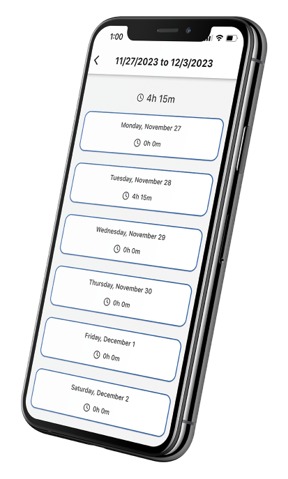
By implementing Bytecurve 360’s integrated payroll module, South Bend cut payroll processing time from 30 hours per week to just 1-2 hours. The platform automatically verifies clock-in and clock-out times using GPS data from the DriveOn mobile app, eliminating manual timesheet entry and preventing buddy-punching. When drivers clock in, the system confirms they are physically at the bus yard. When they clock out, GPS verification ensures they completed their assigned routes.
Rome City Schools in Georgia achieved even more dramatic results. Transportation Director Elander Graham reported saving $300,000 annually through automated payroll processing and time verification. “We never expected this level of savings, but our business office was thrilled,” Graham explained. The savings came from eliminating time theft, preventing overtime abuse, and reducing administrative labor costs associated with manual payroll processing.
The ROI of integrated payroll extends beyond direct labor savings:
- Elimination of buddy-punching through GPS verification that confirms drivers are physically present when clocking in
- Automatic overtime calculation with configurable rules that flag potential violations before they occur
- Reduced payroll disputes because GPS data provides objective evidence of actual hours worked
- Faster payroll processing enabling coordinators to focus on operations instead of administrative tasks
- Improved driver satisfaction by eliminating timesheet errors that create payment delays or disputes
Routing software cost analysis traditionally focuses on fuel savings and route efficiency, but the payroll ROI often exceeds those benefits. When routing data connects to GPS-verified timekeeping, districts gain unprecedented accuracy in labor cost tracking while dramatically reducing administrative overhead. The combination creates a compelling business case that extends far beyond traditional routing optimization metrics.
Real-Time Driver Assignment and Route Disruption Management That Eliminates Morning Chaos
Every transportation coordinator knows the morning chaos: drivers calling in sick at 5:30 AM, scrambling to find substitutes, manually updating route assignments, and fielding angry parent calls about late buses. Traditional routing software offers no help during these critical moments because it treats routes as static plans rather than dynamic operations requiring constant adjustment.
Renton School District 403 in Washington transformed this daily crisis through centralized dispatch routing systems. Gregory Dutton, the district’s transportation leader, emphasized their customer service focus: “We’re in the customer service business.” That philosophy required operational tools that could respond instantly to disruptions while maintaining service quality for 12,000 students across 100 drivers.
The district implemented Bytecurve 360’s dispatch dashboard to replace the multiple spreadsheets and whiteboards that previously tracked daily operations. The unified interface provides several critical capabilities:
- Real-time alerts for late or absent drivers, enabling proactive substitute assignment before routes are missed
- Drag-and-drop driver reassignment showing which drivers have availability, appropriate certifications, and proximity to affected routes
- Instant route modification with automatic updates pushed to driver mobile apps, eliminating phone calls and confusion
- Historical pattern analysis revealing which drivers have chronic absence issues or which routes consistently run late
- Parent communication integration automatically notifying families when route disruptions will affect pickup times
The single-view dashboard concept eliminates the coordination nightmare of managing multiple disconnected systems. Instead of checking one screen for driver availability, another for GPS positions, a third for route assignments, and a fourth for parent contact information, coordinators access everything from a unified interface. This consolidation saves critical minutes during morning disruptions when every second counts.
Student Transit in Wisconsin, operating approximately 500 buses across three districts, dubbed the approach “Centralized Command, Centralized Control.” Martin Klukas, their operations leader, explained the transformation: “You don’t know what you don’t know. And you might not know what you need until you see it for yourself.” The unified dashboard revealed operational inefficiencies that were invisible when data lived in separate systems.
The dispatch capabilities extend beyond emergency response into proactive operations management:
- Predictive driver assignment based on historical route performance, driver preferences, and certification requirements
- Automated compliance monitoring flagging potential hours-of-service violations before they occur
- Route performance tracking comparing actual completion times against planned schedules to identify chronic problem routes
- Resource utilization analysis showing which buses and drivers have capacity for additional routes or field trips
- Seasonal planning support using historical data to optimize route assignments for changing enrollment patterns
This command-and-control approach transforms transportation departments from reactive crisis managers into proactive operators who anticipate problems before they impact service. The real-time visibility and instant reassignment capabilities do not eliminate disruptions, but they dramatically reduce the chaos those disruptions create.

How GPS-Verified Mobile Apps Achieve 95% Driver Adoption and Replace Paper-Based Route Systems
Driver adoption represents the critical success factor for any transportation technology implementation. School districts have spent millions on routing software, GPS tracking systems, and mobile apps that drivers refuse to use. Paper route books persist because drivers trust them, understand them, and can reference them without fumbling with unfamiliar technology while navigating busy streets.
Russellville School District in Arkansas achieved 95%+ driver adoption of the DriveOn mobile app by focusing on driver benefits rather than administrative requirements. Christopher King, the district’s Transportation Coordinator, emphasized the financial impact: “All those 10 minutes here and 15 minutes there really do add up. It’s wonderful peace of mind.” The district saves $15,000 per month in labor costs even after implementing driver wage increases.
The DriveOn app succeeds where other mobile tools fail because it solves real driver problems:
- GPS-verified clock-in and clock-out eliminating timesheet paperwork while ensuring accurate payment for all hours worked
- Real-time route updates pushed directly to driver phones when dispatch makes emergency reassignments or route modifications
- Two-way messaging with dispatch enabling drivers to report issues, request assistance, or confirm receipt of instructions without phone calls
- Digital manifests replacing paper route books with always-current student lists, stop sequences, and special instructions
- Simplified navigation integrating with routing data to provide turn-by-turn directions for substitute drivers covering unfamiliar routes
The high adoption rate stems from the app’s focus on making drivers’ jobs easier rather than adding administrative burden. When technology eliminates timesheet errors, provides instant access to current route information, and enables quick communication with dispatch, drivers embrace it enthusiastically. The GPS verification component protects both drivers and districts by creating objective records of actual hours worked, eliminating disputes about overtime or missed punches.
Poway Unified achieved similar adoption success by involving drivers in the implementation process. Rather than mandating app usage, the district demonstrated how digital manifests eliminated the constant paper updates that drivers hated. When route changes occurred, dispatch could push updates instantly instead of printing new route sheets and distributing them to bus yards. Drivers appreciated having current information without the paperwork hassle.
The mobile app integration with routing data creates several operational benefits beyond driver satisfaction:
- Instant route change deployment when emergencies require reassignments, with drivers receiving notifications and updated manifests automatically
- Reduced dispatch call volume because drivers access route information, student lists, and special instructions from their phones
- Improved on-time performance through GPS-verified departure and arrival times that identify chronic delays for route refinement
- Enhanced safety compliance with automated pre-trip inspection checklists and incident reporting built into the app
- Better substitute driver support providing unfamiliar drivers with complete route information, navigation assistance, and direct dispatch communication
The combination of driver benefits and operational improvements creates a virtuous cycle. As adoption increases, dispatch gains better visibility into fleet operations. Better visibility enables more proactive problem-solving. Proactive problem-solving reduces the chaos and stress drivers experience. Reduced stress increases driver satisfaction and retention, which helps address the broader staffing shortage.
Districts considering mobile app implementations should prioritize driver experience over administrative convenience. Technology that makes drivers’ jobs harder will fail regardless of its operational benefits. Technology that eliminates paperwork, prevents timesheet errors, and provides instant access to current route information will achieve high adoption rates and deliver the operational visibility that makes integrated routing platforms valuable.
Transform Your Transportation Operations With Integrated Routing and Real-Time Visibility
The evolution of school bus routing software from static planning tools to integrated operational platforms represents a fundamental shift in how districts manage student transportation. As driver shortages persist and budget pressures intensify, transportation directors need more than efficient route plans. They need command-and-control systems that merge routing data with real-time GPS tracking, payroll verification, and mobile driver tools to maximize fleet productivity and minimize operational chaos.
Bytecurve 360 delivers this unified approach through a comprehensive platform built specifically for school transportation operations. Districts across North America have documented significant results: avoiding costly bus purchases, dramatically cutting payroll processing time, achieving 95%+ driver adoption of mobile tools, and saving hundreds of thousands of dollars annually through GPS-verified timekeeping and route optimization.
The platform addresses the critical gap between routing plans and daily reality by connecting routing software to operational systems. Transportation coordinators gain single-view dashboards that show real-time fleet status, enable instant driver reassignment, automate payroll processing, and provide the data-driven insights needed for strategic decision-making. This integration transforms reactive crisis management into proactive operations that deliver consistent service quality even during staffing disruptions.
If your district struggles with morning chaos, payroll accuracy, driver shortages, or budget constraints, request a demo to see how integrated routing platforms can transform your transportation operations. The combination of routing optimization, real-time visibility, and automated payroll processing creates ROI that extends far beyond traditional fuel savings and route efficiency metrics.


Russellville saves $15,000 per month in payroll
– Christopher King, Transportation Director, Russellville School District


Rome Public Schools reduced payroll by $30,000 per month with Bytecurve
— Elander Graham, Rome Transportation Director
Frequently Asked Questions About School Bus Routing Software ROI and Implementation
How long does it take to implement integrated routing software and see measurable results?
Most districts achieve operational benefits within 30-60 days of implementation, with full ROI typically realized within 3-6 months. The timeline depends on fleet size, existing system complexity, and staff readiness. Districts should expect 2-4 weeks for data migration and system configuration, followed by 2-3 weeks of staff training and parallel operations. Payroll savings and driver adoption improvements appear almost immediately, while route optimization benefits accumulate over several months as coordinators refine routes based on GPS performance data.
Does school bus routing software integrate with existing GPS tracking systems and routing platforms?
Modern platforms like Bytecurve 360 are designed to integrate with major GPS providers and routing software rather than replace them. The integration approach preserves existing investments while adding the command-and-control layer that connects routing plans to daily operations. Districts can continue using their preferred routing software for route planning while gaining real-time operational visibility, driver assignment capabilities, and payroll integration through the unified platform. This compatibility eliminates the need for expensive system replacements.
What specific payroll savings can districts expect from GPS-verified timekeeping?
Documented savings range from $15,000 to $300,000 annually depending on district size and previous time theft levels. The savings come from multiple sources: elimination of buddy-punching, prevention of overtime abuse, reduction in manual payroll processing time, and elimination of timesheet errors. Districts with 100+ drivers typically see the highest absolute savings, while smaller districts experience the most dramatic percentage reductions in payroll processing time. The ROI often exceeds traditional route optimization savings because payroll costs represent such a large portion of transportation budgets.
How much training do drivers need to adopt mobile apps effectively?
High-performing implementations achieve 95%+ adoption with minimal formal training by focusing on app simplicity and driver benefits. Most drivers become proficient with basic functions (clock-in, clock-out, viewing manifests) within 15-20 minutes of hands-on practice. Districts should conduct small group training sessions at bus yards rather than large formal presentations, allowing drivers to ask questions and practice with their own devices. The key success factor is demonstrating how the app eliminates paperwork and prevents timesheet errors rather than emphasizing administrative requirements.
Can routing software help districts avoid capital expenditures like new bus purchases?
Data-driven route optimization has enabled districts to avoid significant capital costs by revealing hidden fleet capacity. The Poway Unified case demonstrates how GPS-integrated routing analysis can identify opportunities to serve growing enrollment without adding buses. By analyzing actual route performance rather than relying on static routing plans, districts discover that certain routes have slack time, some buses are underutilized, and stop sequences can be optimized to increase capacity. These insights often eliminate the need for costly fleet expansions while improving service quality.

Secure
Only authorized employees will be able to access DriveOn based on a customer specific access code. This code can be turned off as needed by an authorized administrator.

User friendly
DriveOn is easy to use with a simple, smart interface.
Available on both iOS and Google Play stores.